- Thread starter
- #1
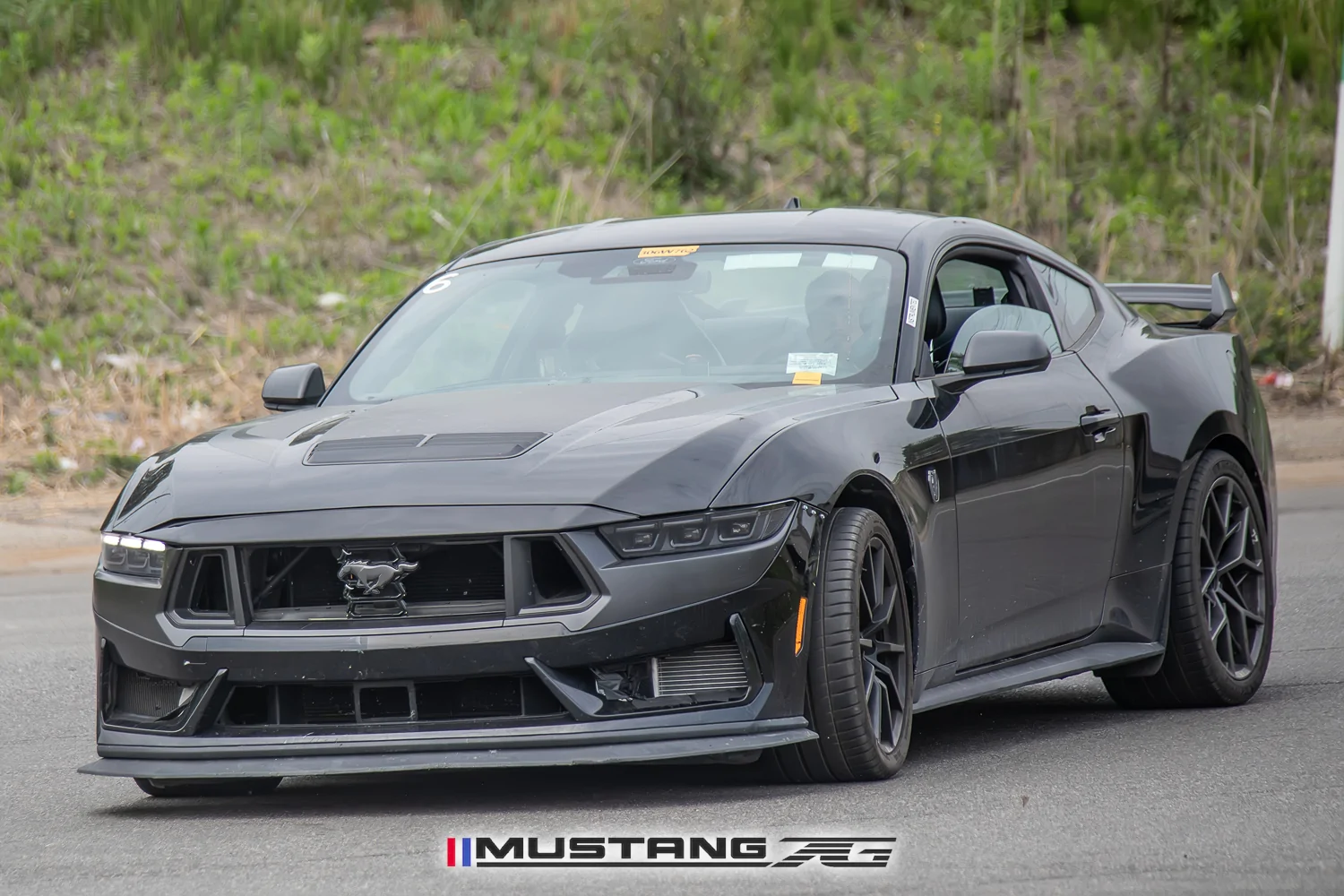
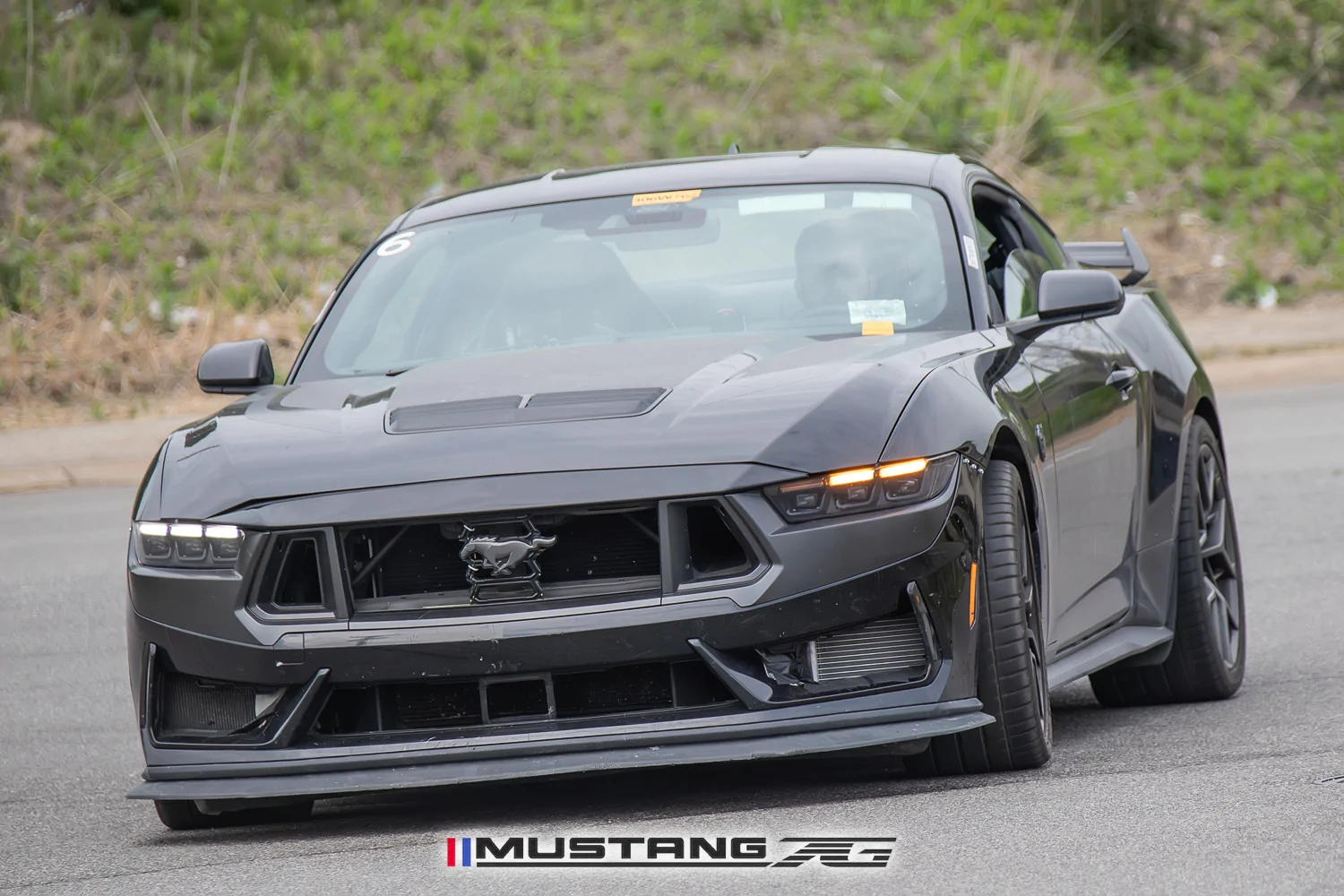
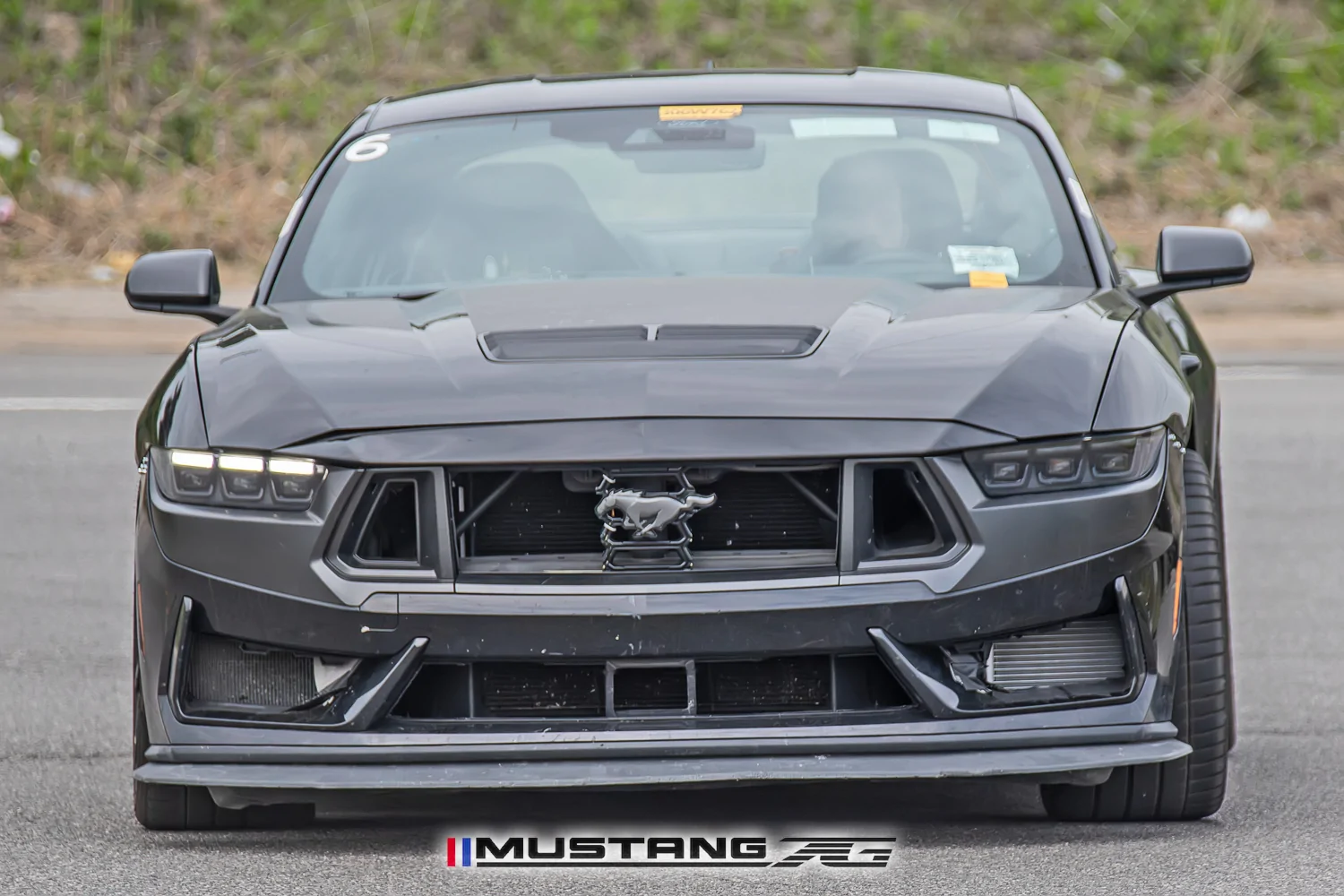
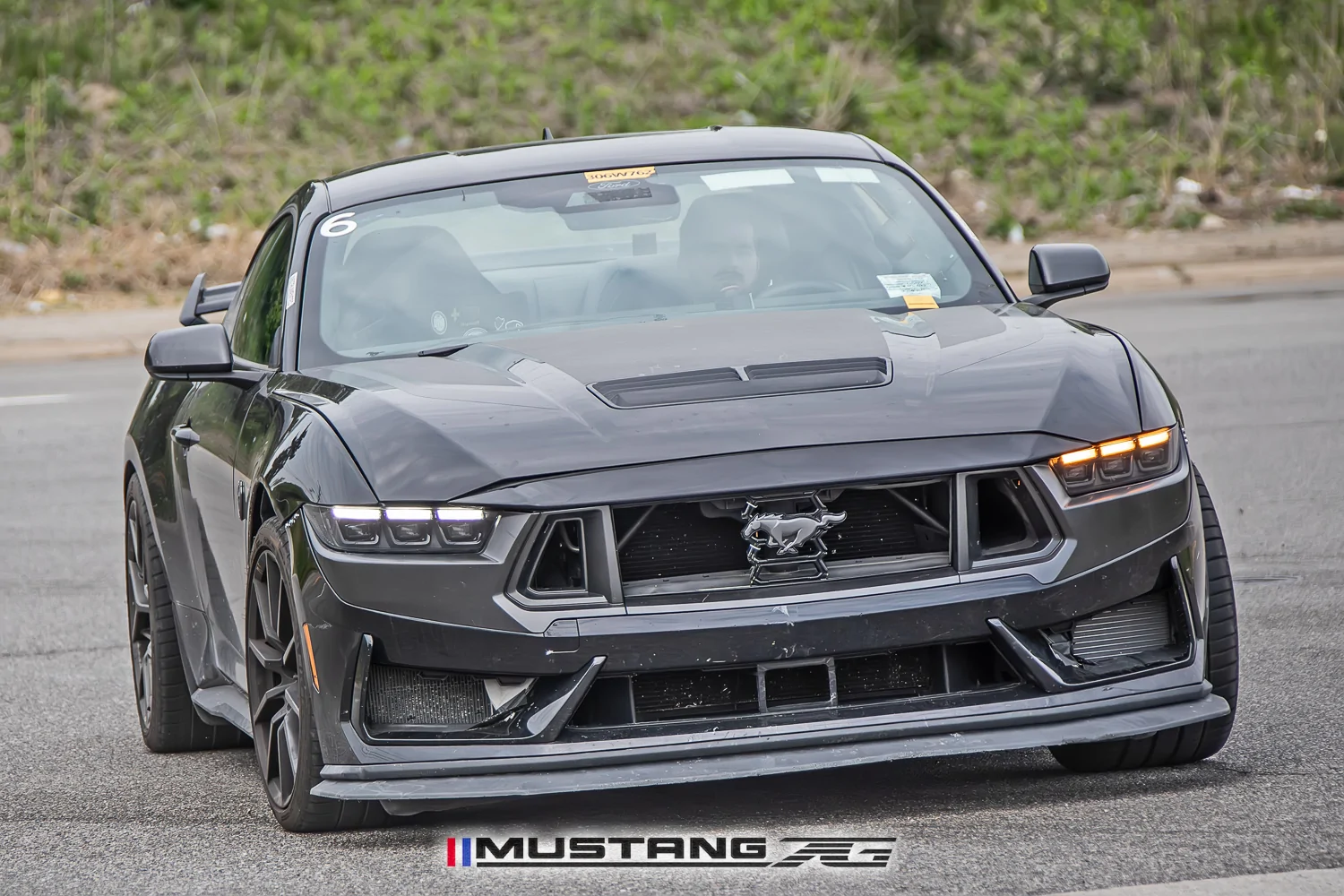
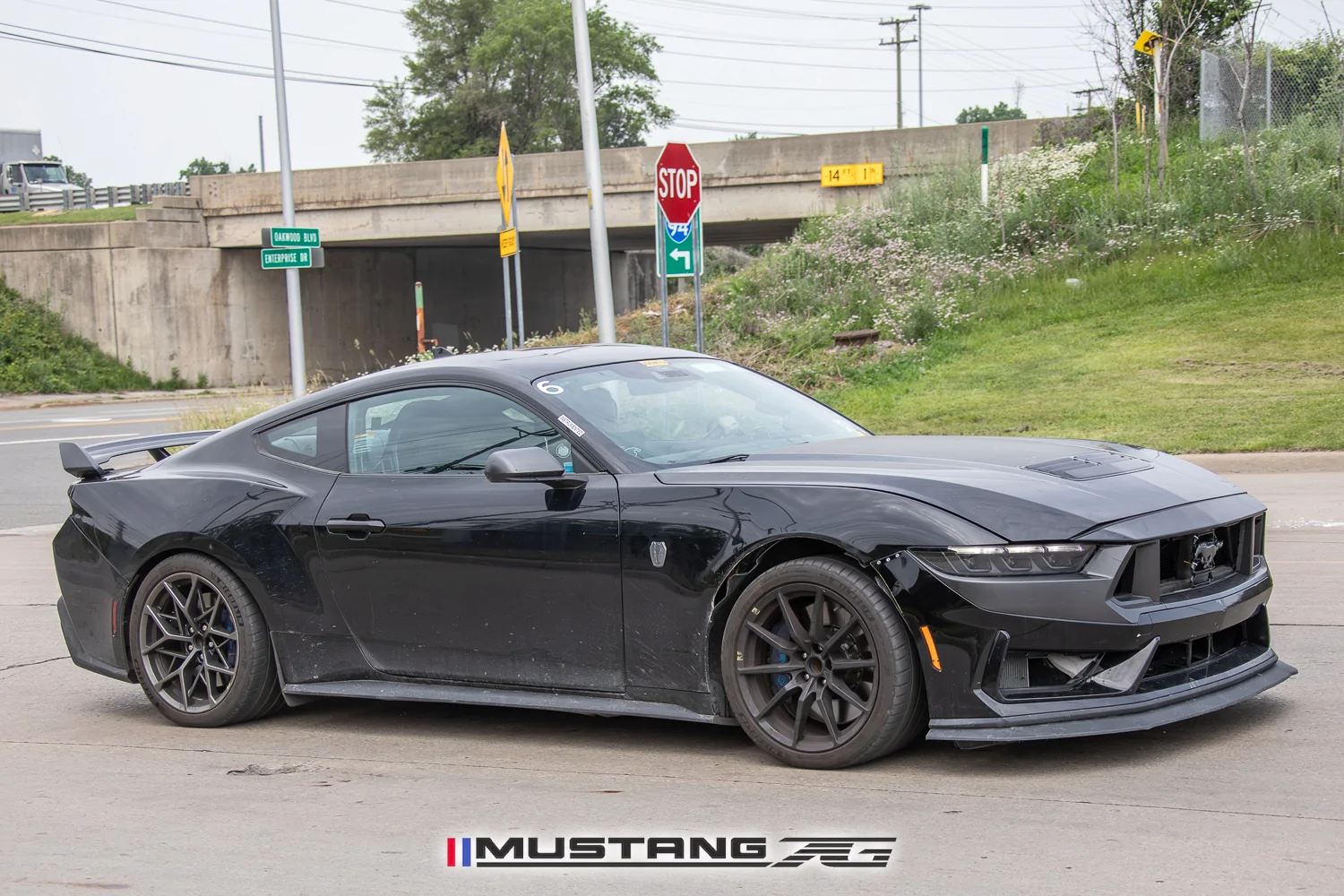
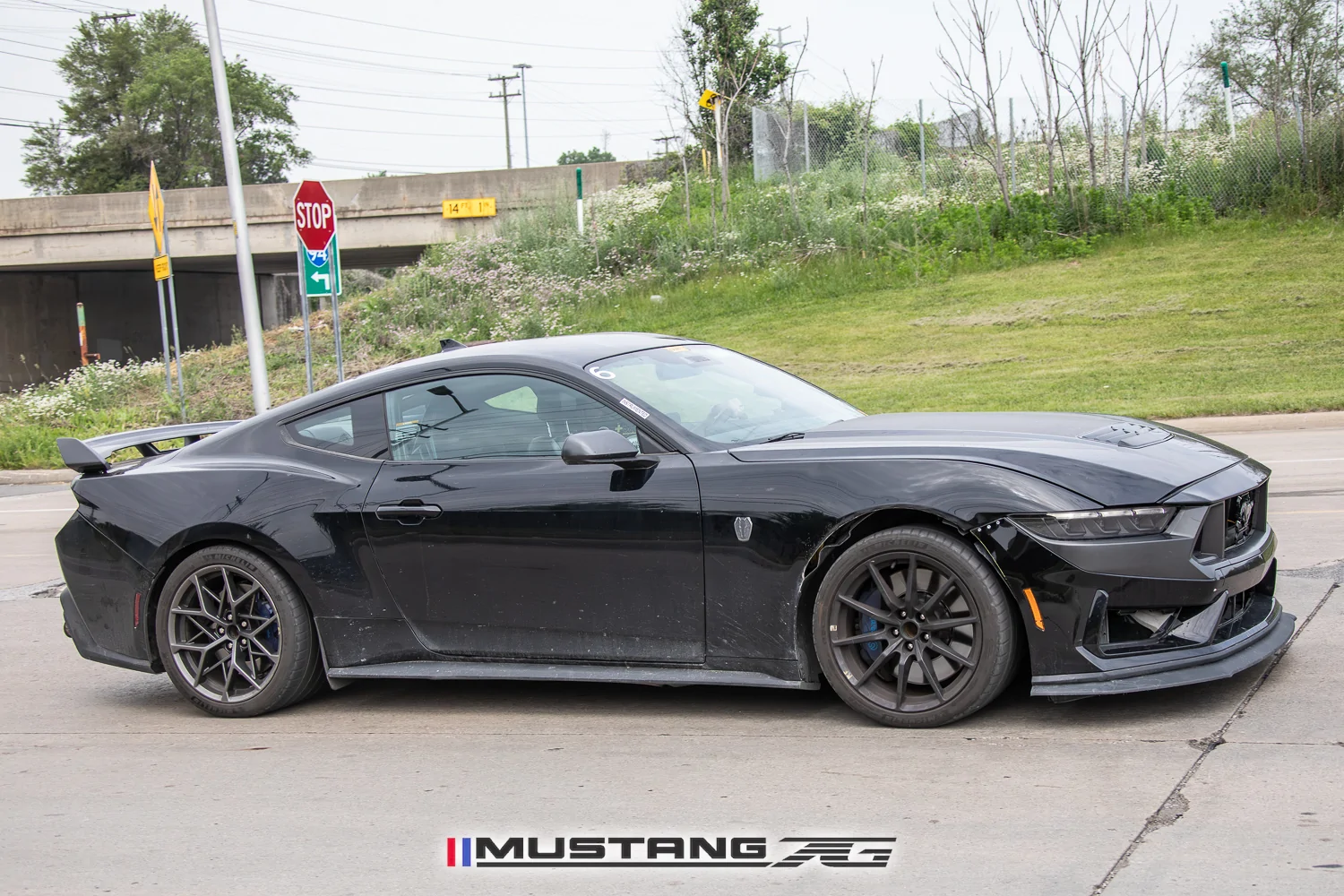
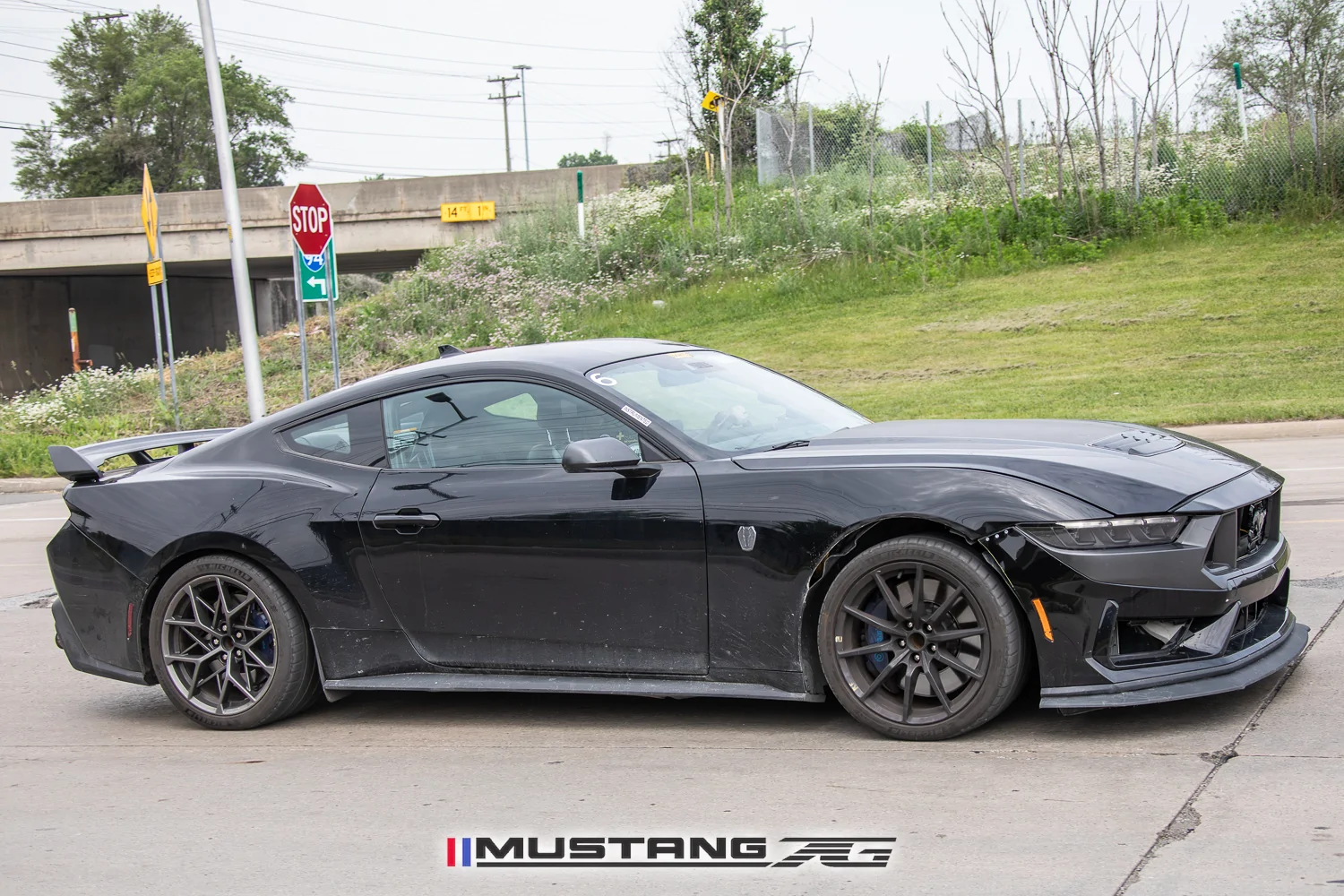
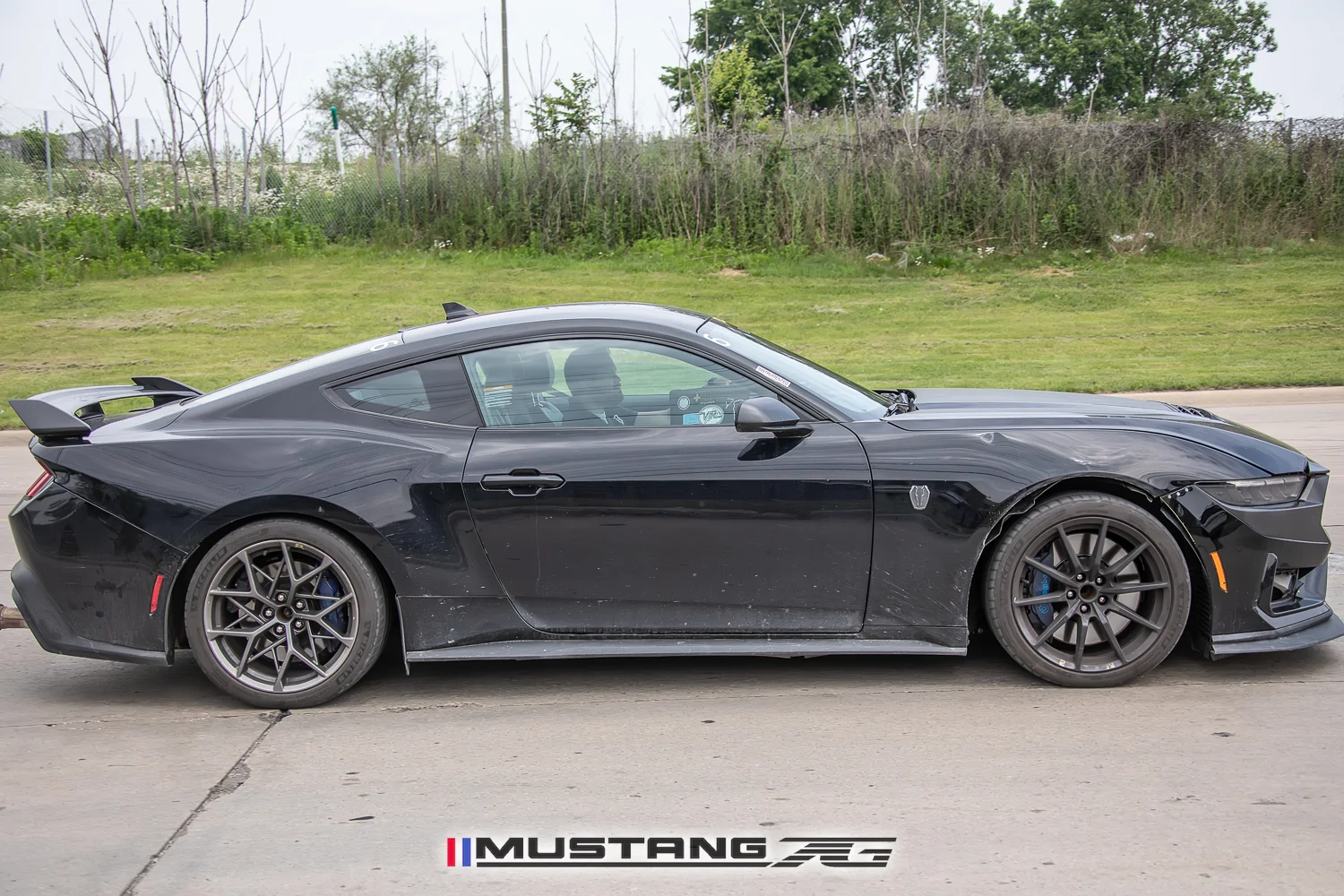
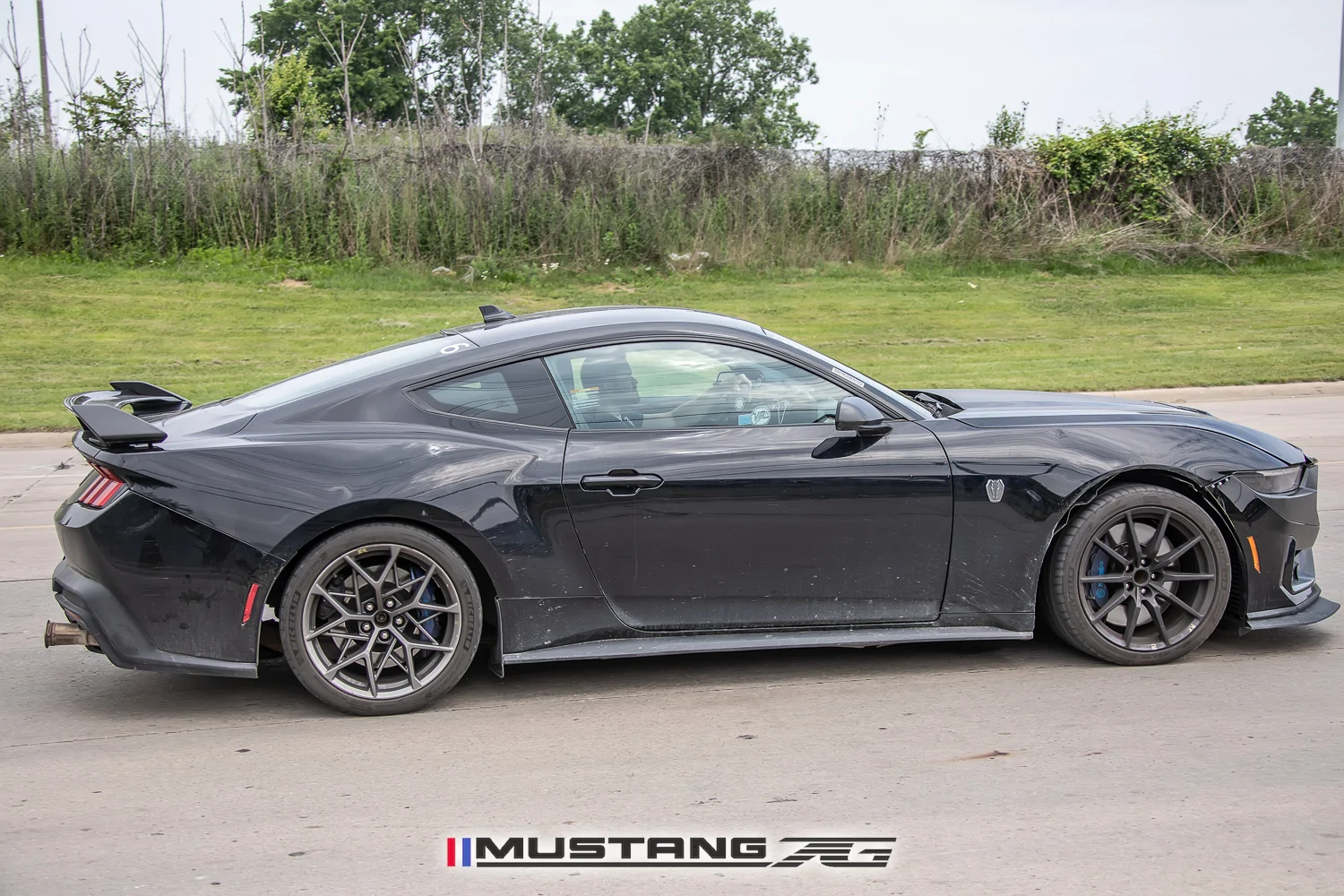
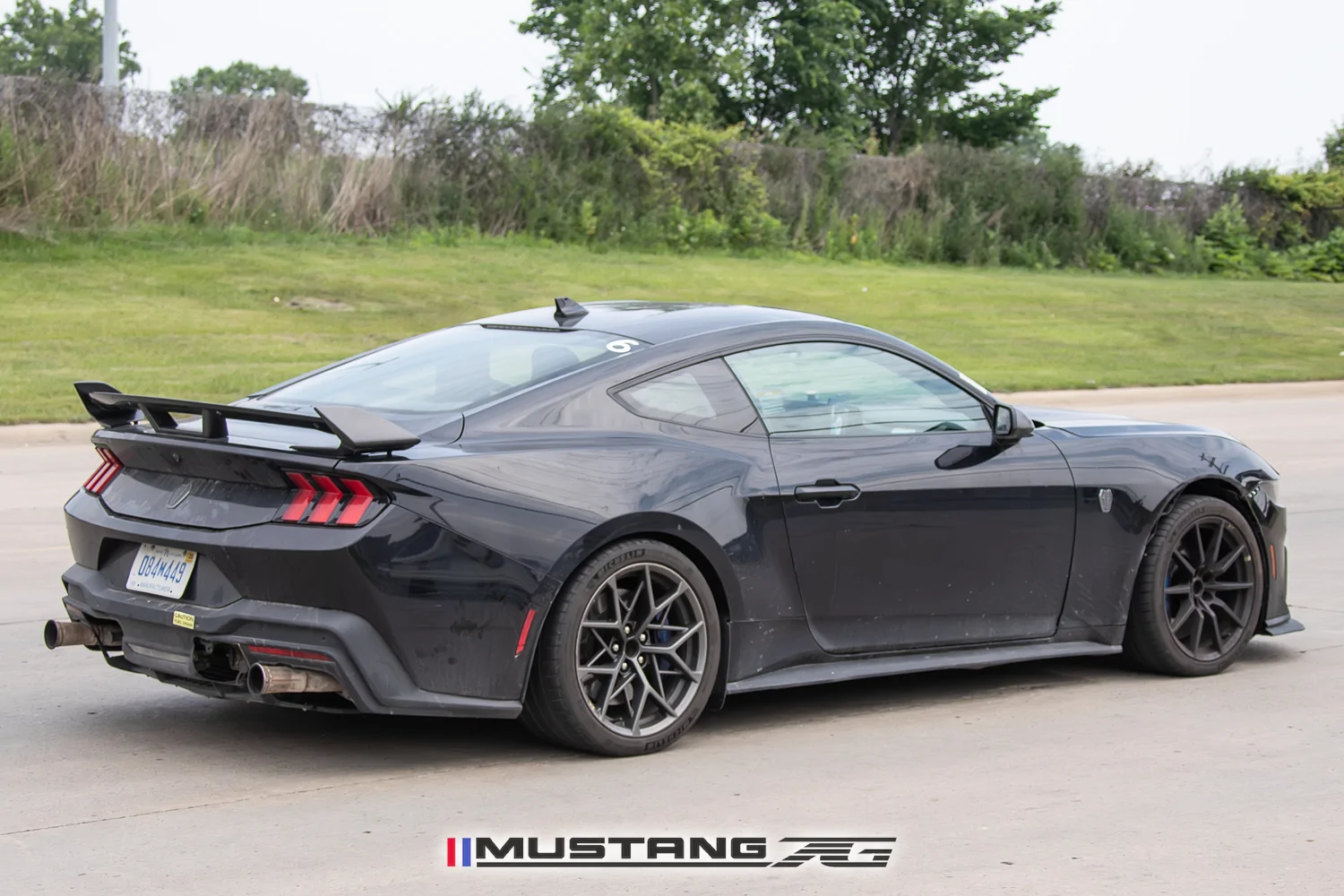
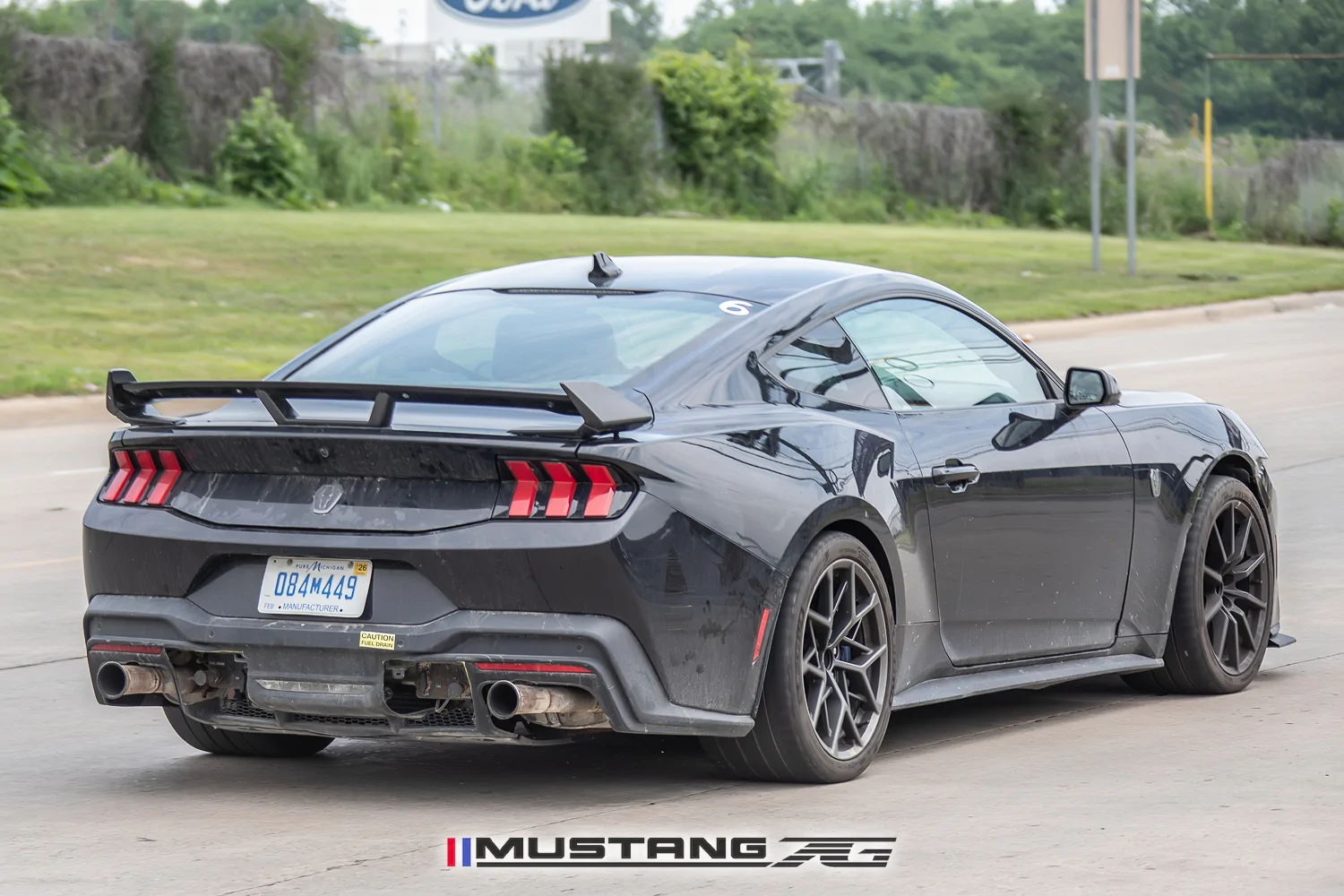
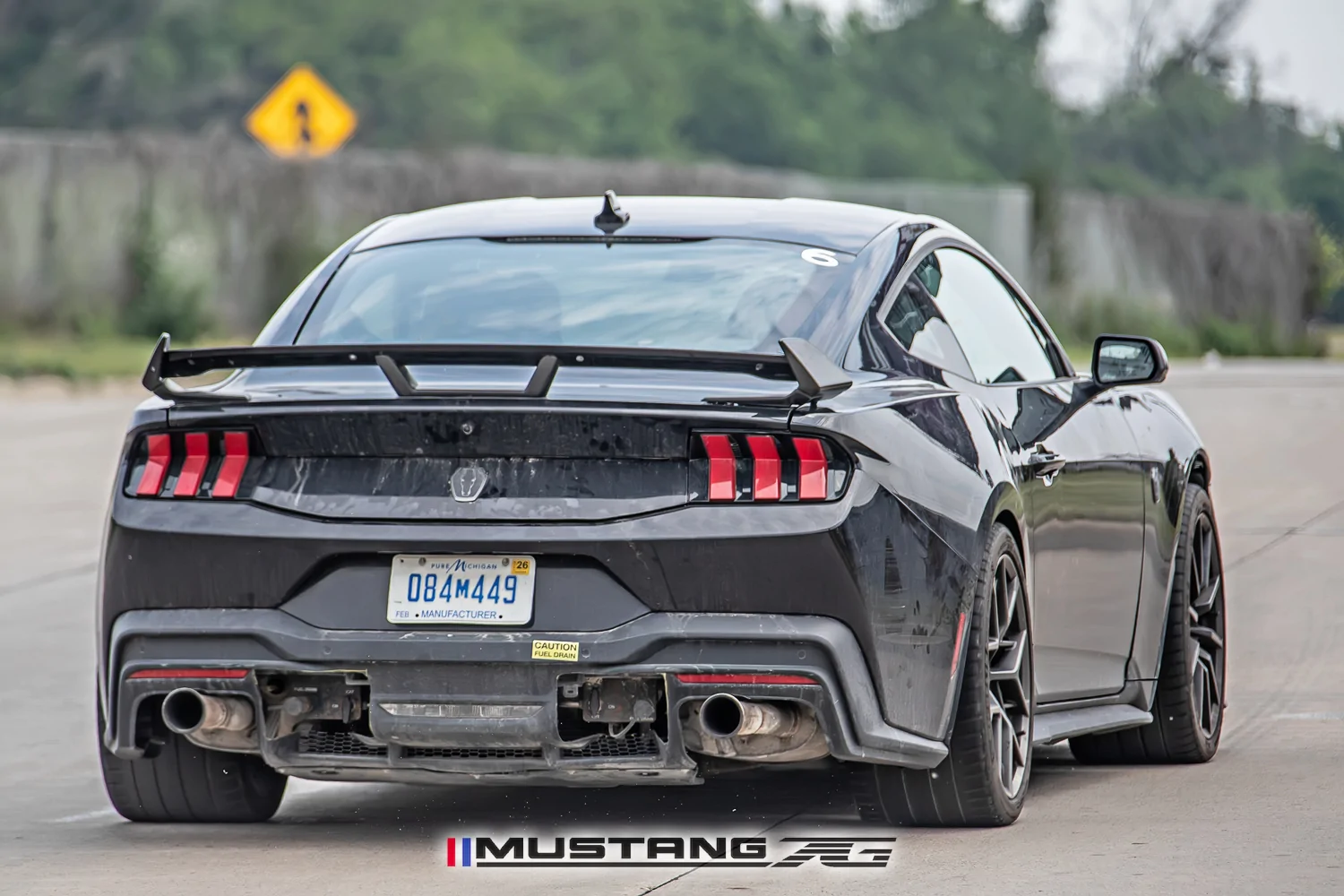
Ford is developing another high-performance Mustang variant to slot between the Dark Horse and the coming GT500 successor. We caught the muscled mule—which will possibly reach production using the iconic BOSS moniker—in photos and video. The video reveals a Mustang that sounds amazing, with a character that that is quite different from the Dark Horse. And is that a Dual Clutch Transmission we hear?
Dark Horse Boss?
When reports broke that on January 15, 2025, Ford had filed a trademark application for the name "Dark Horse Boss,” minds raced with visions of a beefed-up Dark Horse variant with even more potent performance potential. That appears to be exactly what’s being tested here.
Similar to GT500 Mules, But With Key Differences
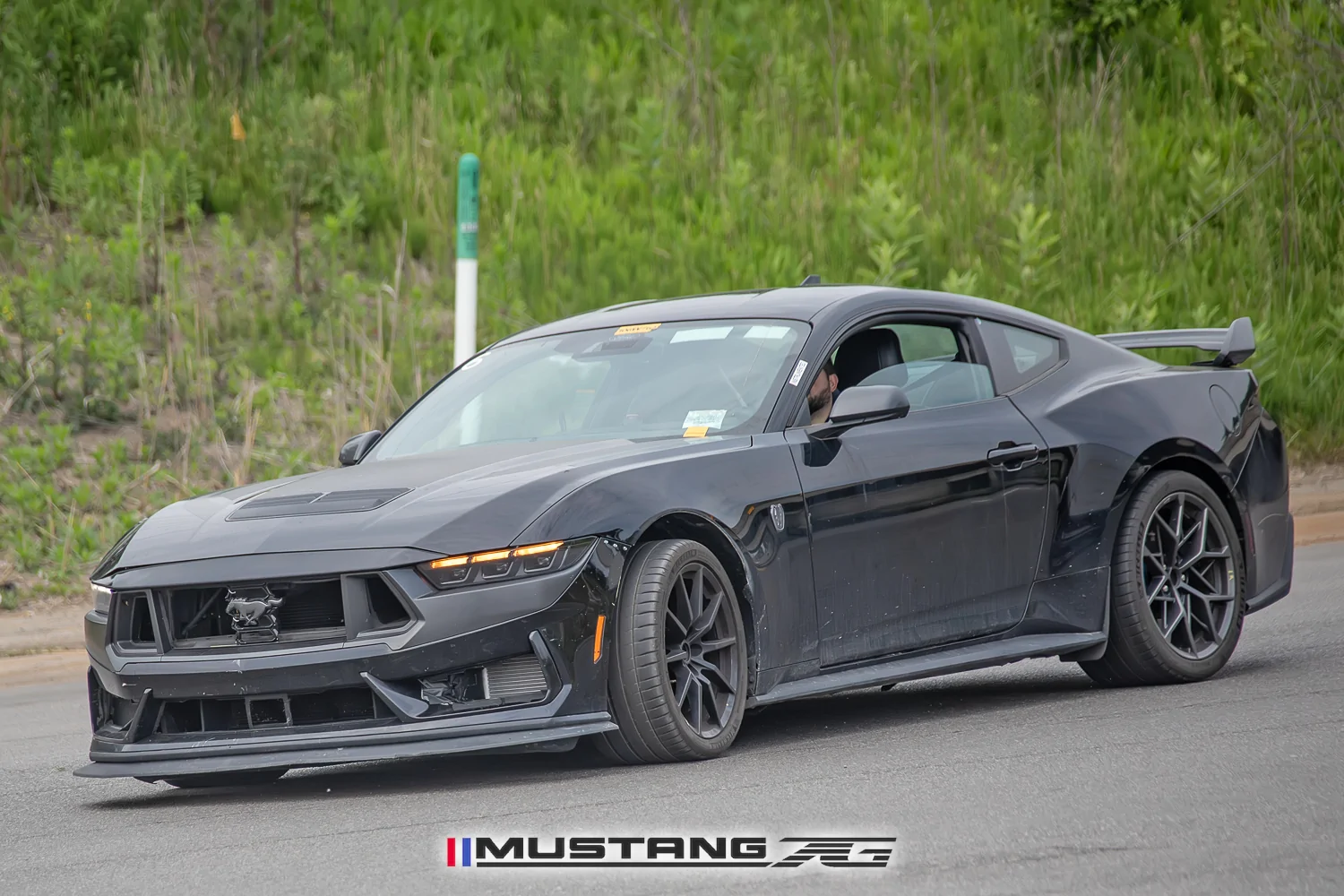
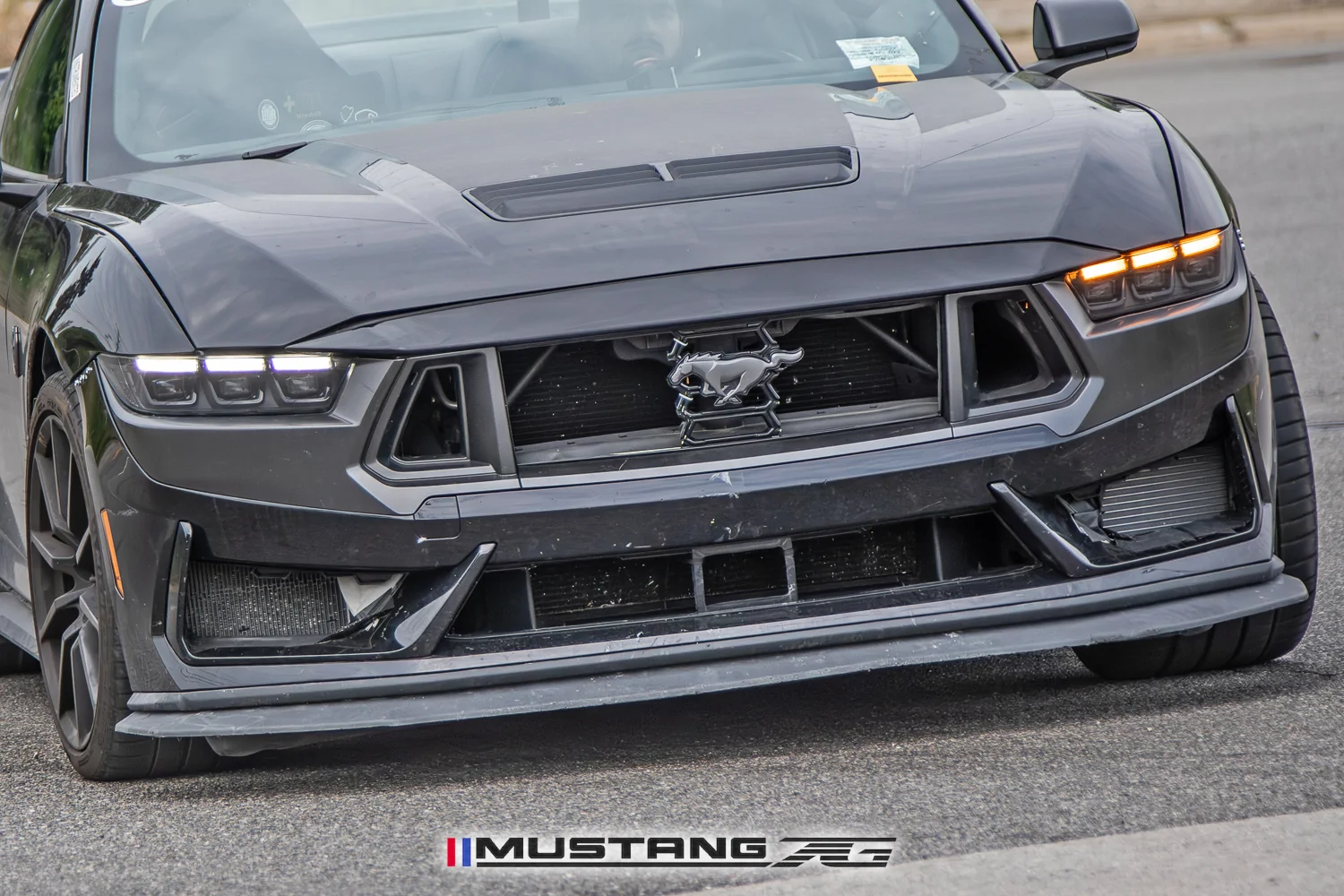
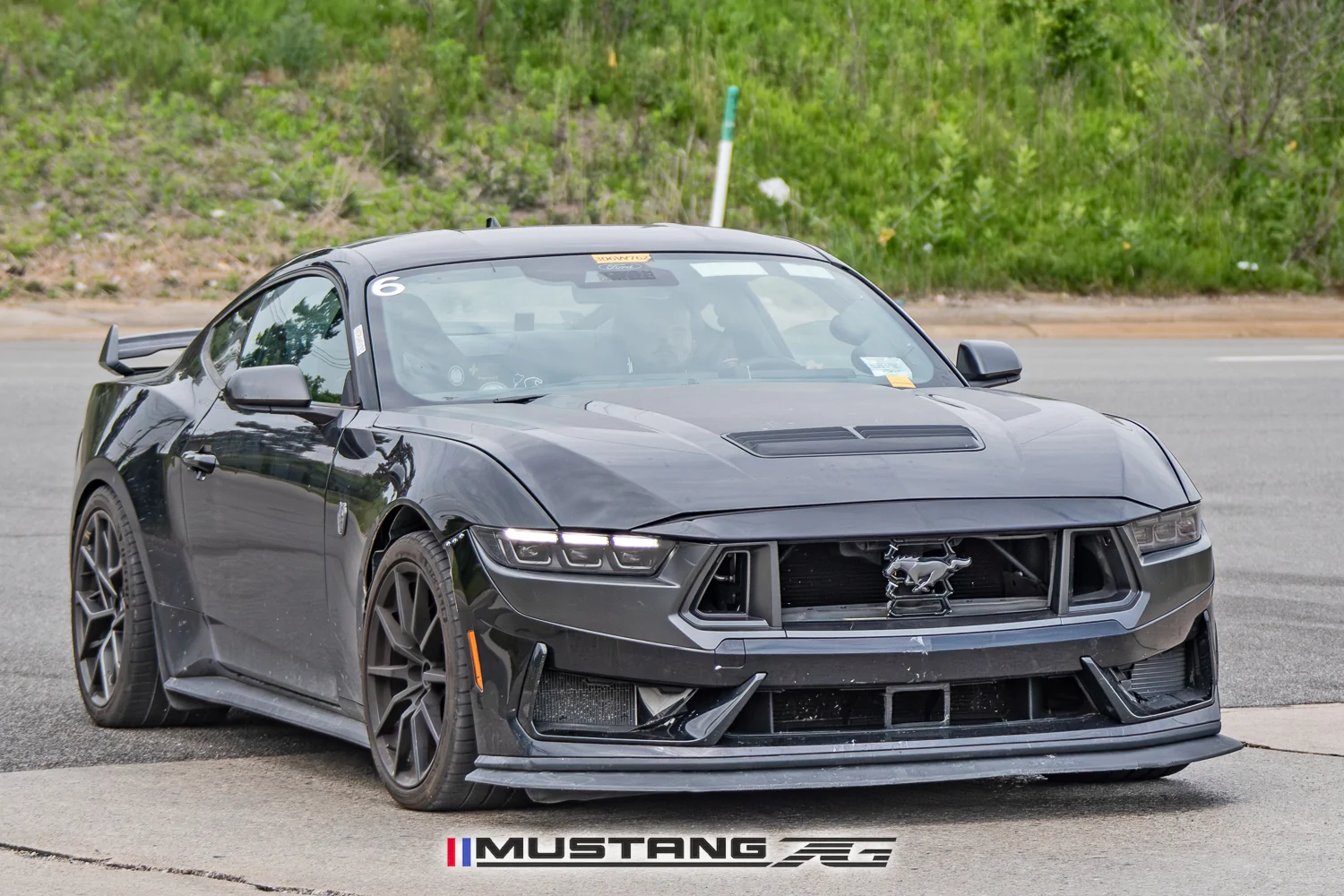
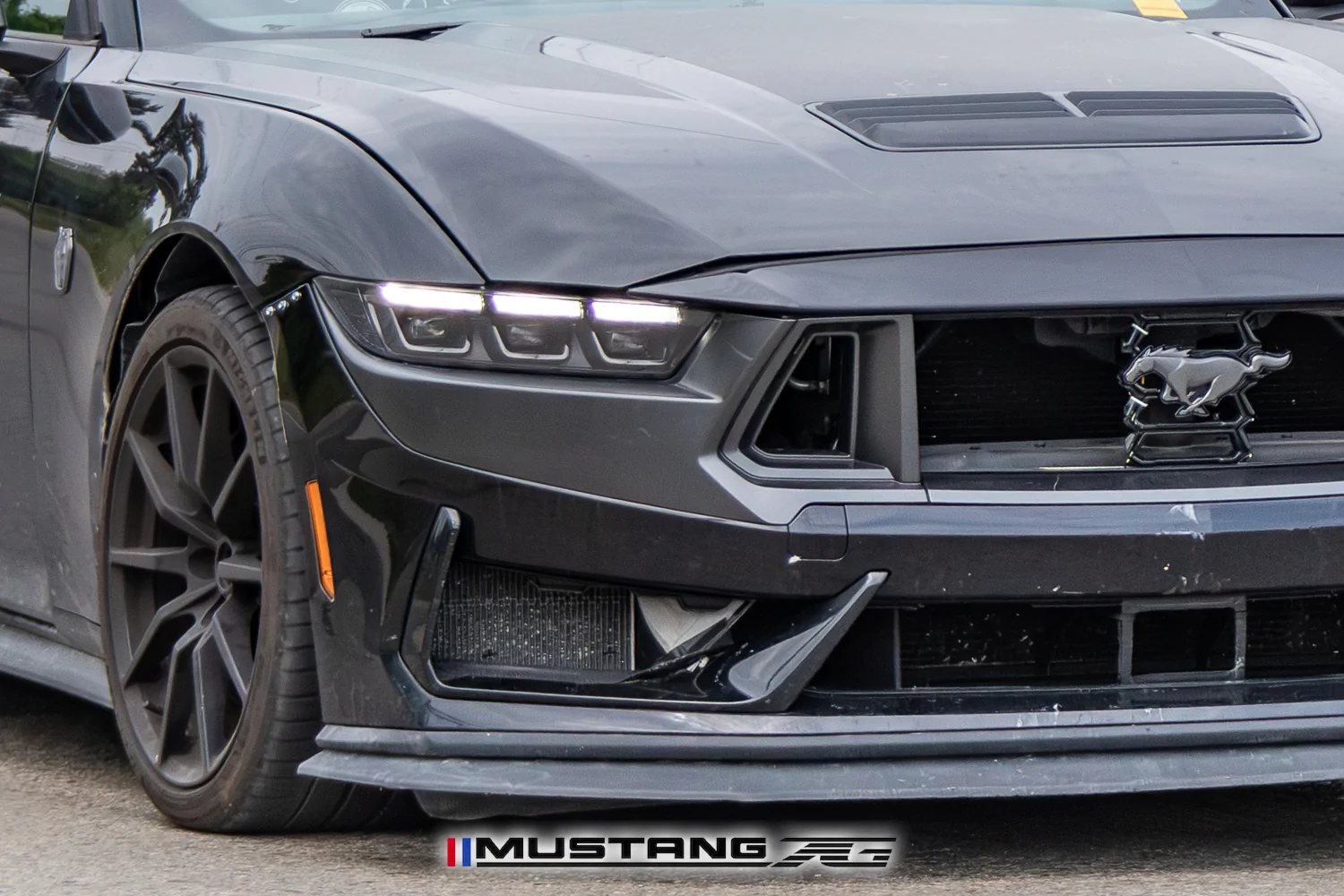
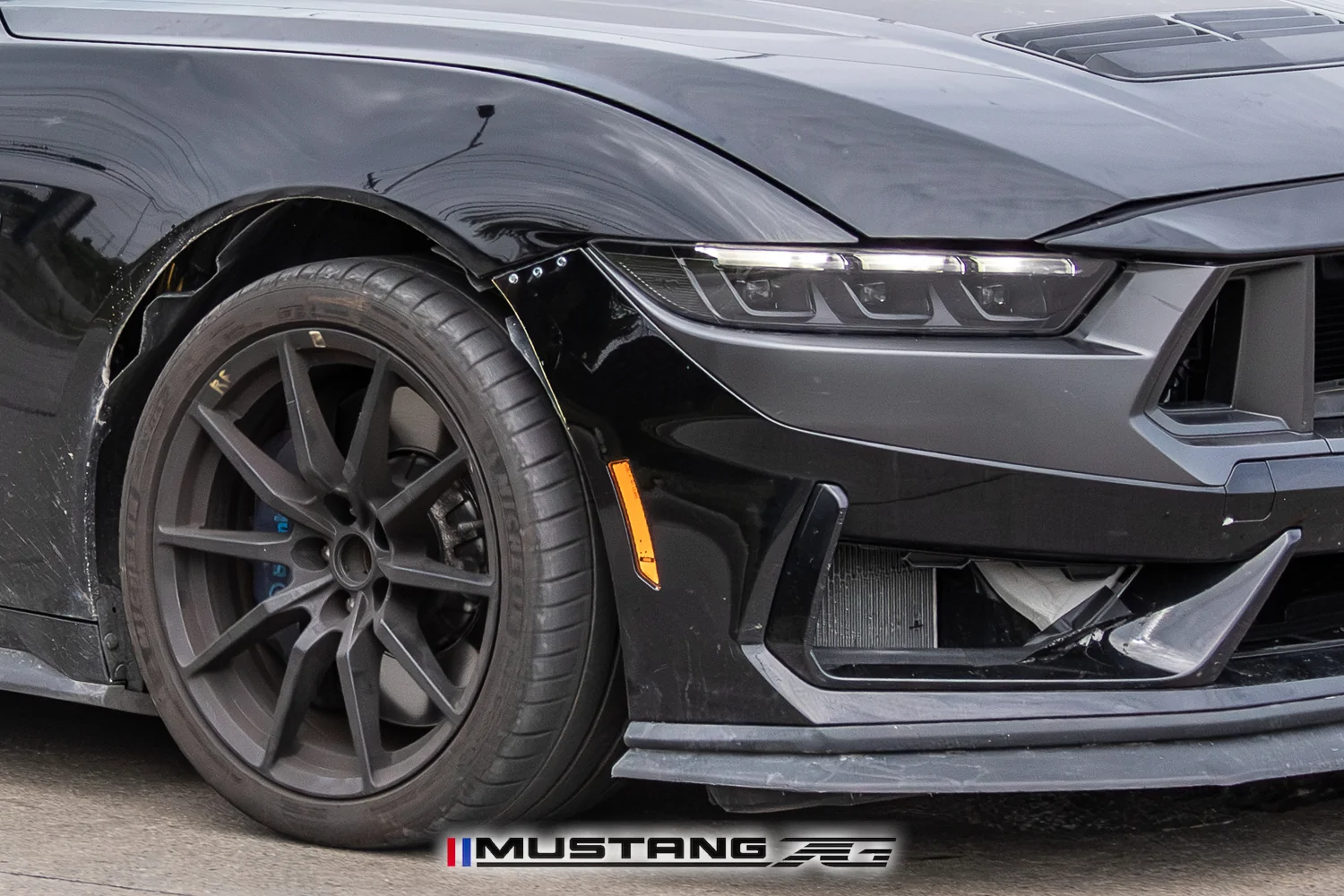
Testing of the mule in our photos and video actually began right on the heels of development for the Mustang GT500 successor, suggesting that the programs have some mechanical relationships. While the GT500s display extra width for wider tires, this Dark Horse Boss mule clings a bit more closely to the standard Dark Horse front-fascia. Where this new mule appears to up the ante over the mere Dark Horse is with its dual outer air-intake ducts. The Mustang GT and Dark Horse only have a single cooling duct set into the driver’s side of the front bumper, while the passenger side is closed off. This mule’s full front-fascia is now open to cooling air, which was a feature of the 2021-23 Mustang Mach 1. On the Mach 1, the twin-duct design (taken from the GT350 and GT350R) used the driver’s-side duct to cool the engine and the passenger-side duct to cool the transmission. The mule’s Mach 1-style cooling upgrade may make more sense when looking at its tires.
The Tires Appear To Tell The Story
The Mustang GT500 mules had wheel-and-tire set-ups taken directly from the prior-generation Shelby GT500, helping to cement the identification of these mules and give clues to Ford’s strategy for the S650-era model. The same appears to be happening on this Dark Horse Boss mule, with tire selections that harken back to the Mustang Mach 1 and GT350R.
Mustang Mach 1 (and GT350R) Tire Compounds
The 2021-23 Mustang Mach 1 (when equipped with the Handling Package) was graced with the same tire set-up as the acclaimed Mustang GT350R—Michelin Pilot Sport Cup 2s, sized at 305/30ZR19 up front and wider 315/30ZR19s at the rear. Mach 1s without the Handling Package got less aggressive Michelin Pilot Sport 4Ss, downsized to 255/35/19s (front) and 275/35/19s (rear). On this new Dark Horse-based mule, we’re seeing a nearly identical strategy, just downsized slightly from full-on Mach 1 specifications.
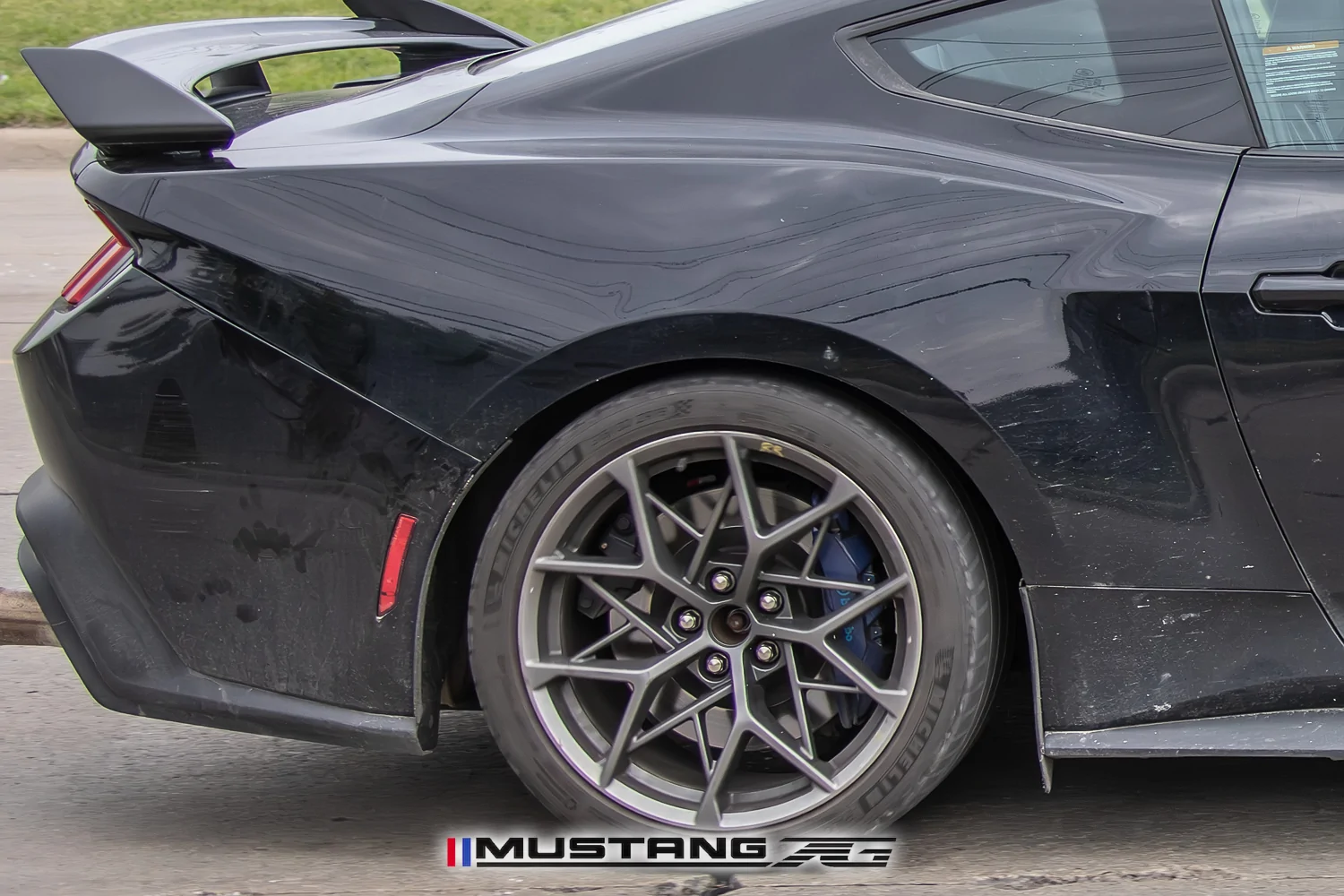
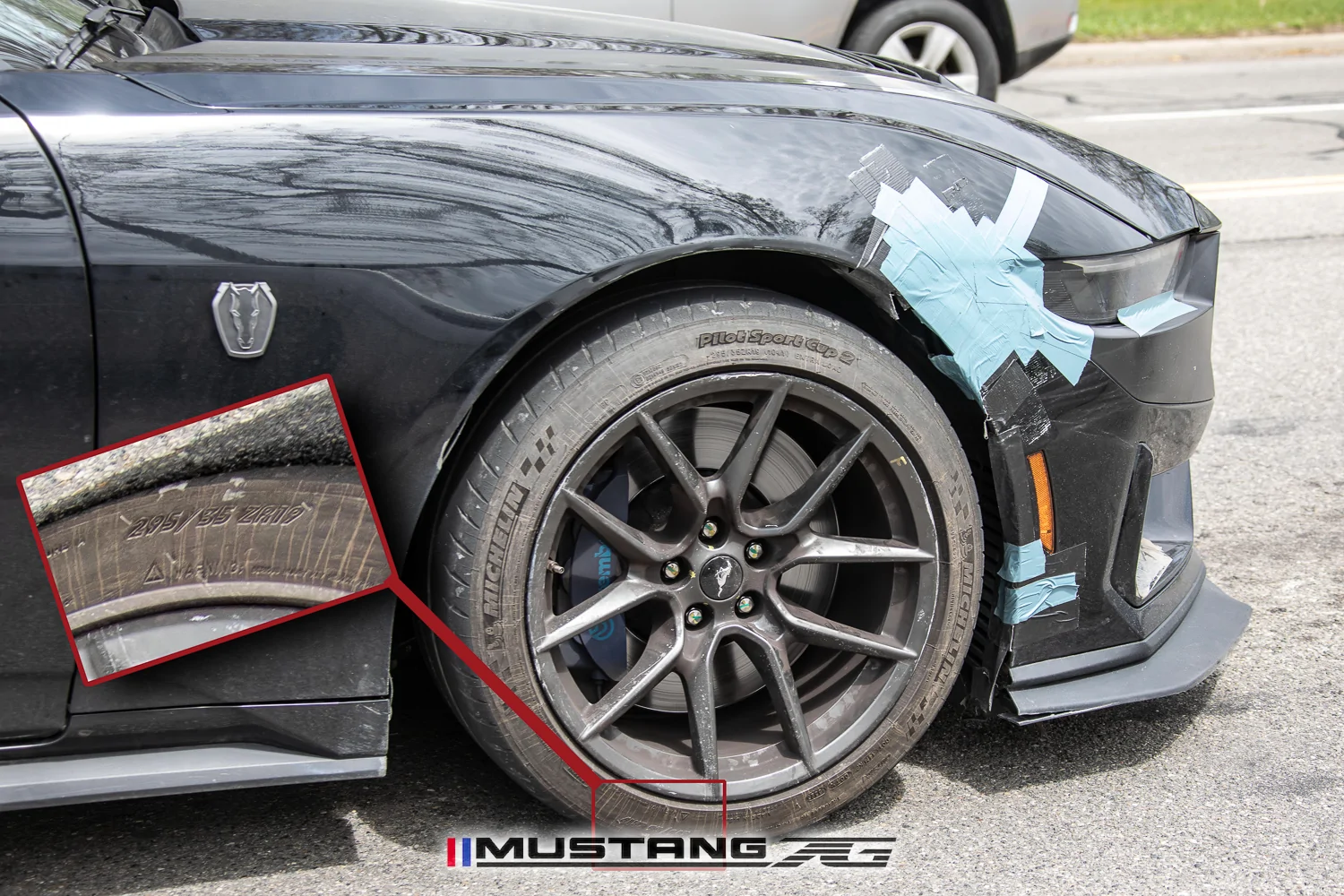
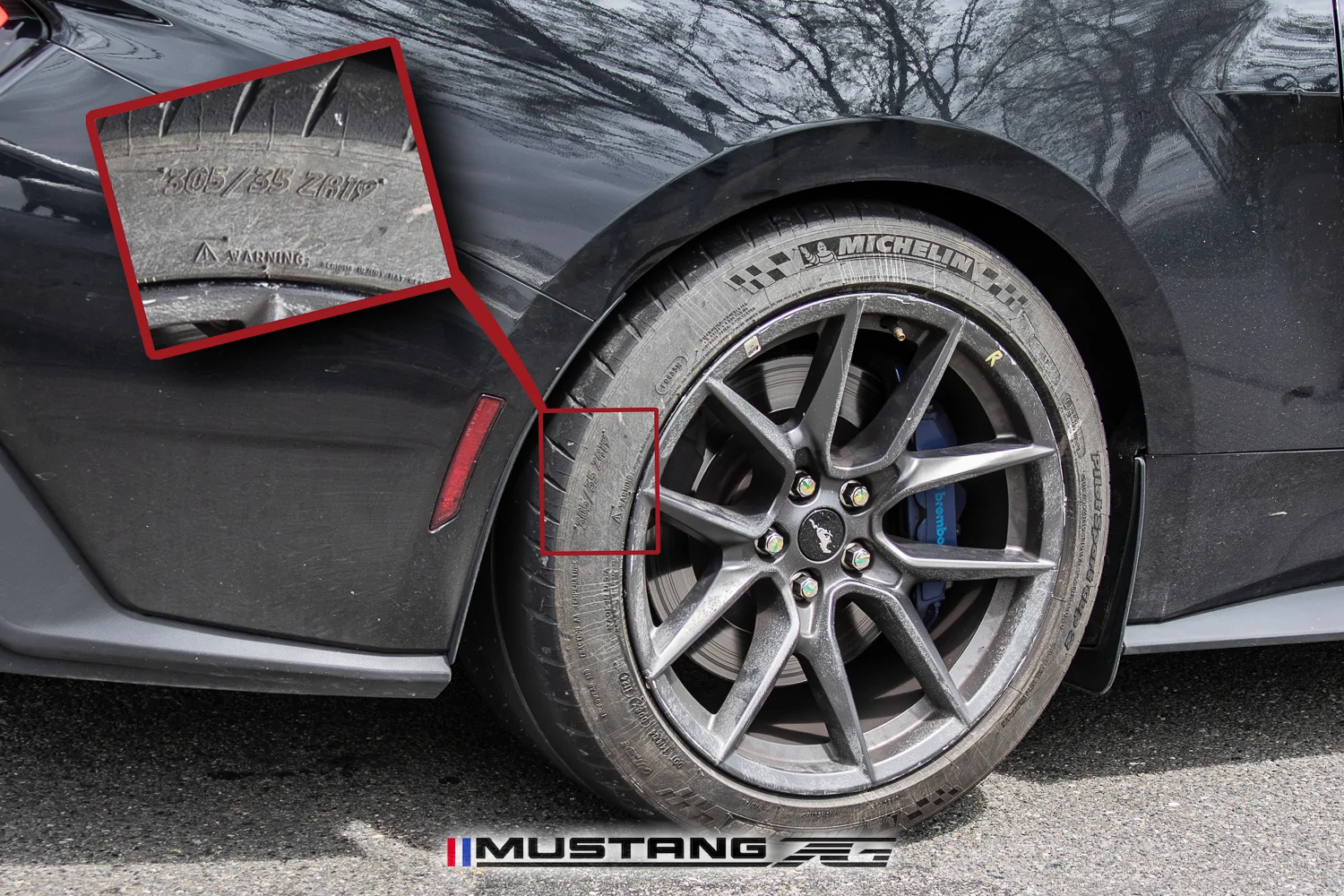
We photographed this mule twice—on separate days—and caught it wearing both Pilot Sport Cups 2s and Pilot Sport 4S rubber. While we couldn’t 100% confirm the tire size on the Michelin Pilot Sport 4s’, we can report with absolute certainty that the more aggressive Cup 2s were 295/35 ZR19s up front, and 305/35 ZR19s on the rear—slightly smaller than the 305- and 315-series tires found on the top-tier Mach 1. Perhaps the smaller size is an answer to complaints on the sticky Michelin’s propensity to tramline in non-track conditions.
Mach 1 Wheels On Display
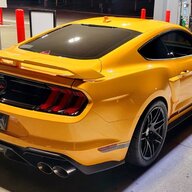
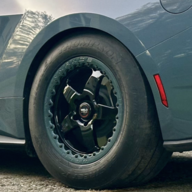
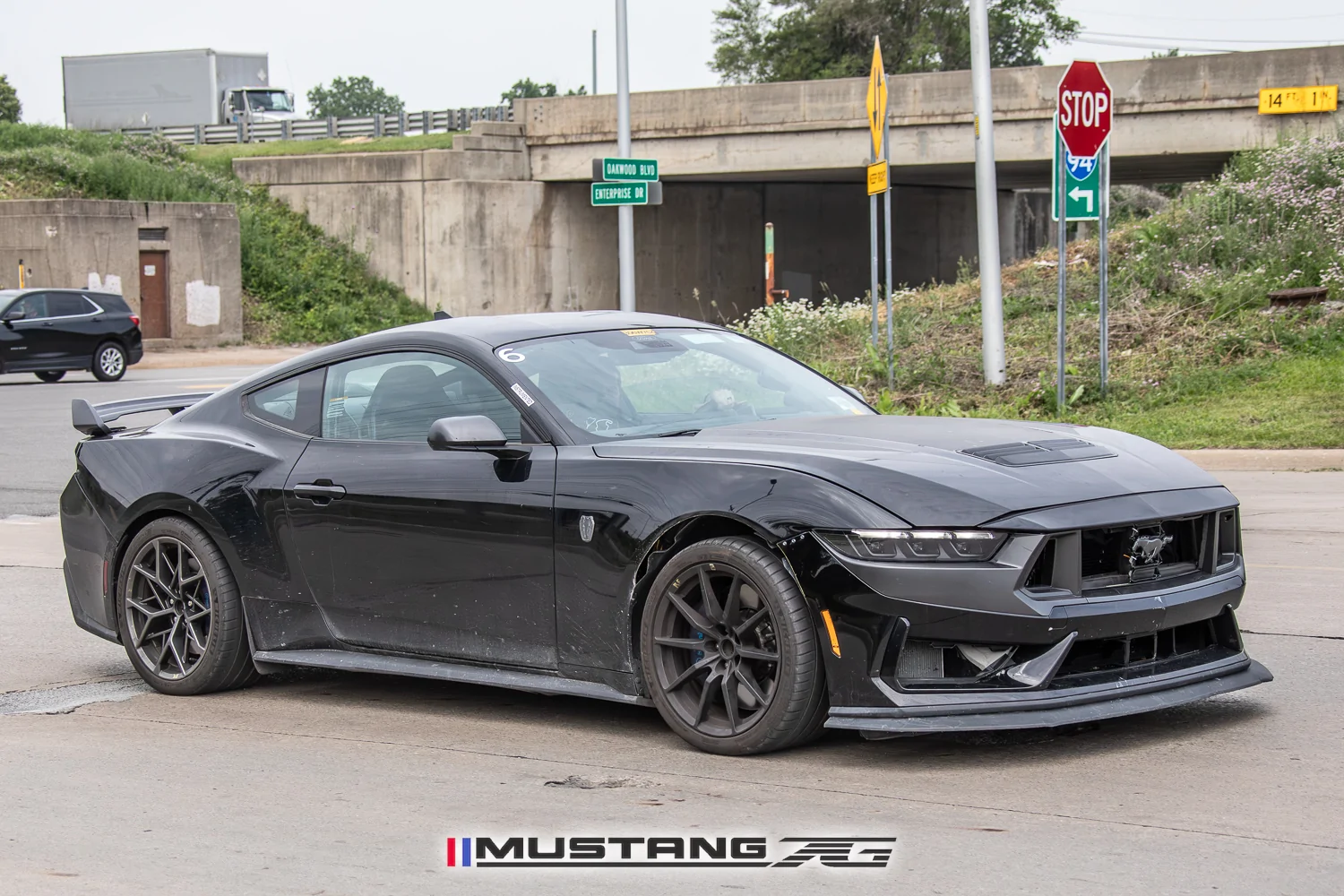
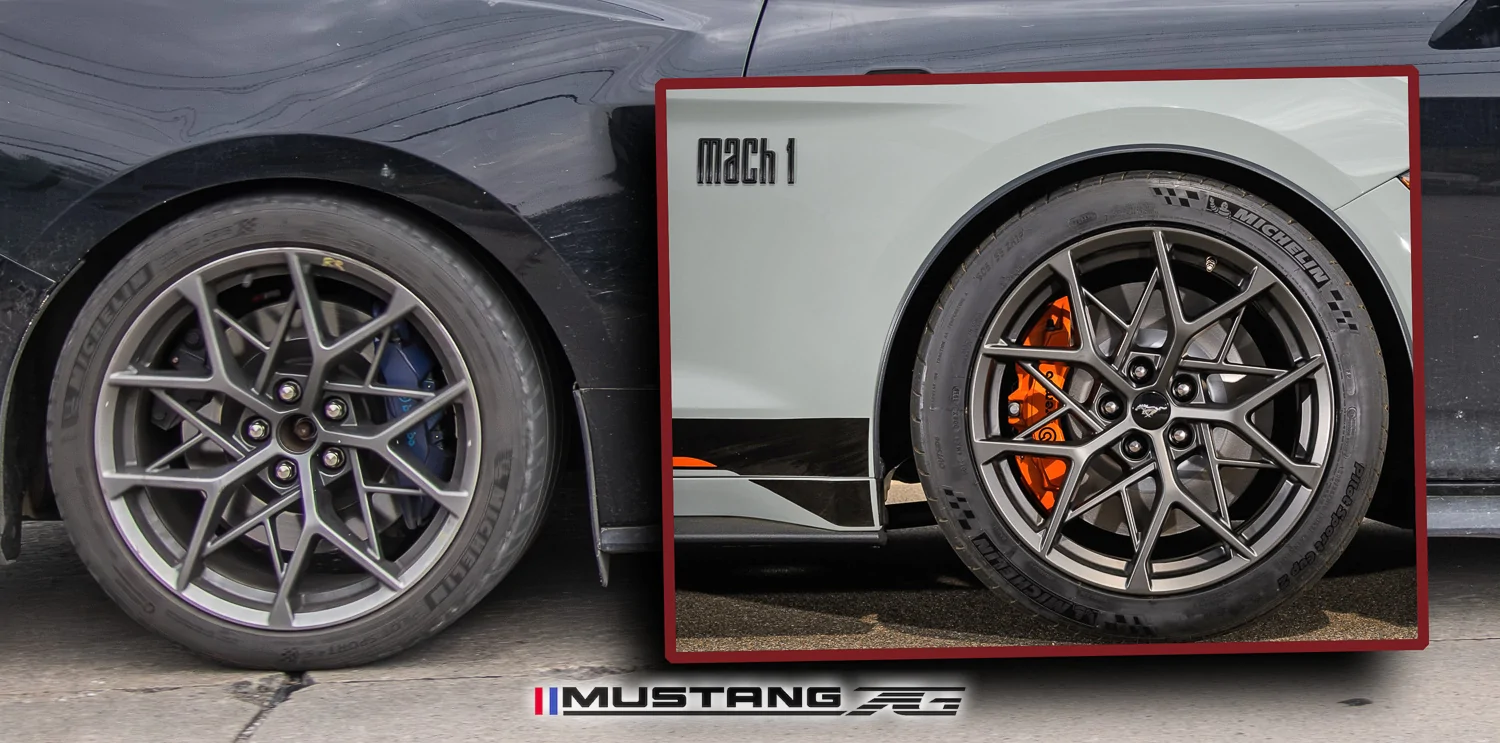
If there was any doubts to the new mule’s Mach 1 vibes, one of our encounters caught the car’s rear equipped with the stunning cross-laced wheels that only came on Handling Package-equipped S550-era Mustang Mach 1s.
Dark Horse Boss, Bridging the Gap To the New GT500?
The Mustang Mach 1 was designed to bridge the gap between the Mustang GT Performance Pack and the Shelby GT500. With a new GT500-replacement now in the works, seeing this new, upgraded Mustang Dark Horse mule makes sense. It appears that Ford is looking to fill the gap between the standard Dark Horse and the upcoming GT500 replacement with an even more performance-focused version of the Dark Horse. A more Boss version, if you will. The Dark Horse Boss appears to represent a modern take on the Boss 302, which, historically, saw track-focused upgrades to meet homologation requirements for theTrans Am race series in 1969 and 1970.
More Power? Some Naturally Aspirated Speculation Thanks to our Video Clip
To be properly Boss, the Dark Horse Boss must get a horsepower bump to accompany its cooling and expected chassis upgrades. But how much extra power, and achieved by what means? That remains a mystery, but our video clip might provide a couple clues.
A little logical speculation, based on the timing of these new mules, may suggest at least one possibility. The GT500 mules and this Dark Horse Boss mule began testing at the same time, so some key mechanical similarities can logically be assumed. If the GT500 replacement stays true to its recent heritage and gets a Supercharged 5.2-liter engine—likely adapted from the F-150 Raptor R—perhaps this Dark Horse Boss will ditch its 5.0-liter engine in favor of a higher-displacement 5.2-liter engine—without the GT500’s supercharger. A normally-aspirated 5.2-liter Dark Horse Boss could bring a meaningful power boost to properly bridge the gap between the standard Dark Horse and the upcoming GT500 replacement. The video clip reveals a unique engine note, distinct from the Dark horse, and the transmission rips off shifts remarkably fast, suggesting a possible Dual Clutch Transmission (DCT). The prior generation GT500 had a seven-speed Tremec DCT, so something similar is likely on board for the next-gen variant currently testing. This Dark Horse Boss mule—if it has a naturally-aspirated version of the GT500’s 5.2-liter—would possibly use the same transmission. That may explain what we hear in our exclusive video clip.
It’s exciting to see more Mustang development taking place at the upper ends of the performance spectrum. The V8-powered muscle car is a live and well in Dearborn. We’ll be on the lookout for more defining details, so we can discern exactly what Ford is cooking up for car enthusiasts.


Dark Horse Boss?
When reports broke that on January 15, 2025, Ford had filed a trademark application for the name "Dark Horse Boss,” minds raced with visions of a beefed-up Dark Horse variant with even more potent performance potential. That appears to be exactly what’s being tested here.
Similar to GT500 Mules, But With Key Differences
Testing of the mule in our photos and video actually began right on the heels of development for the Mustang GT500 successor, suggesting that the programs have some mechanical relationships. While the GT500s display extra width for wider tires, this Dark Horse Boss mule clings a bit more closely to the standard Dark Horse front-fascia. Where this new mule appears to up the ante over the mere Dark Horse is with its dual outer air-intake ducts. The Mustang GT and Dark Horse only have a single cooling duct set into the driver’s side of the front bumper, while the passenger side is closed off. This mule’s full front-fascia is now open to cooling air, which was a feature of the 2021-23 Mustang Mach 1. On the Mach 1, the twin-duct design (taken from the GT350 and GT350R) used the driver’s-side duct to cool the engine and the passenger-side duct to cool the transmission. The mule’s Mach 1-style cooling upgrade may make more sense when looking at its tires.
The Tires Appear To Tell The Story
The Mustang GT500 mules had wheel-and-tire set-ups taken directly from the prior-generation Shelby GT500, helping to cement the identification of these mules and give clues to Ford’s strategy for the S650-era model. The same appears to be happening on this Dark Horse Boss mule, with tire selections that harken back to the Mustang Mach 1 and GT350R.
Mustang Mach 1 (and GT350R) Tire Compounds
The 2021-23 Mustang Mach 1 (when equipped with the Handling Package) was graced with the same tire set-up as the acclaimed Mustang GT350R—Michelin Pilot Sport Cup 2s, sized at 305/30ZR19 up front and wider 315/30ZR19s at the rear. Mach 1s without the Handling Package got less aggressive Michelin Pilot Sport 4Ss, downsized to 255/35/19s (front) and 275/35/19s (rear). On this new Dark Horse-based mule, we’re seeing a nearly identical strategy, just downsized slightly from full-on Mach 1 specifications.
We photographed this mule twice—on separate days—and caught it wearing both Pilot Sport Cups 2s and Pilot Sport 4S rubber. While we couldn’t 100% confirm the tire size on the Michelin Pilot Sport 4s’, we can report with absolute certainty that the more aggressive Cup 2s were 295/35 ZR19s up front, and 305/35 ZR19s on the rear—slightly smaller than the 305- and 315-series tires found on the top-tier Mach 1. Perhaps the smaller size is an answer to complaints on the sticky Michelin’s propensity to tramline in non-track conditions.
Mach 1 Wheels On Display
If there was any doubts to the new mule’s Mach 1 vibes, one of our encounters caught the car’s rear equipped with the stunning cross-laced wheels that only came on Handling Package-equipped S550-era Mustang Mach 1s.
Dark Horse Boss, Bridging the Gap To the New GT500?
The Mustang Mach 1 was designed to bridge the gap between the Mustang GT Performance Pack and the Shelby GT500. With a new GT500-replacement now in the works, seeing this new, upgraded Mustang Dark Horse mule makes sense. It appears that Ford is looking to fill the gap between the standard Dark Horse and the upcoming GT500 replacement with an even more performance-focused version of the Dark Horse. A more Boss version, if you will. The Dark Horse Boss appears to represent a modern take on the Boss 302, which, historically, saw track-focused upgrades to meet homologation requirements for theTrans Am race series in 1969 and 1970.
More Power? Some Naturally Aspirated Speculation Thanks to our Video Clip
To be properly Boss, the Dark Horse Boss must get a horsepower bump to accompany its cooling and expected chassis upgrades. But how much extra power, and achieved by what means? That remains a mystery, but our video clip might provide a couple clues.
A little logical speculation, based on the timing of these new mules, may suggest at least one possibility. The GT500 mules and this Dark Horse Boss mule began testing at the same time, so some key mechanical similarities can logically be assumed. If the GT500 replacement stays true to its recent heritage and gets a Supercharged 5.2-liter engine—likely adapted from the F-150 Raptor R—perhaps this Dark Horse Boss will ditch its 5.0-liter engine in favor of a higher-displacement 5.2-liter engine—without the GT500’s supercharger. A normally-aspirated 5.2-liter Dark Horse Boss could bring a meaningful power boost to properly bridge the gap between the standard Dark Horse and the upcoming GT500 replacement. The video clip reveals a unique engine note, distinct from the Dark horse, and the transmission rips off shifts remarkably fast, suggesting a possible Dual Clutch Transmission (DCT). The prior generation GT500 had a seven-speed Tremec DCT, so something similar is likely on board for the next-gen variant currently testing. This Dark Horse Boss mule—if it has a naturally-aspirated version of the GT500’s 5.2-liter—would possibly use the same transmission. That may explain what we hear in our exclusive video clip.
It’s exciting to see more Mustang development taking place at the upper ends of the performance spectrum. The V8-powered muscle car is a live and well in Dearborn. We’ll be on the lookout for more defining details, so we can discern exactly what Ford is cooking up for car enthusiasts.
VIDEO:
PHOTOS:
Sponsored
Last edited: