POHLHAMMER
Well-Known Member
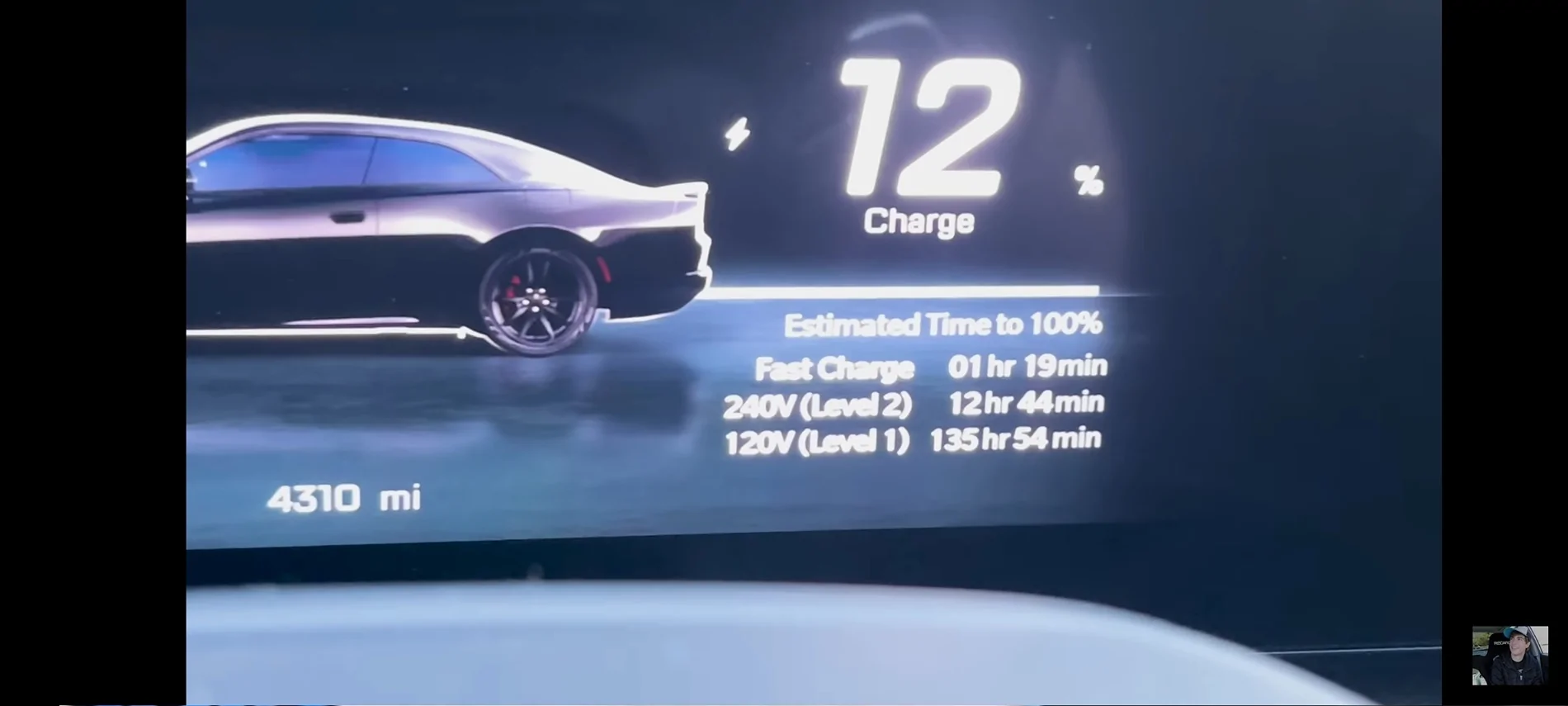
Interesting discussion about charge times. This is what the google machine says about charging times below. I would guess 90% of the time people are limited to level 2 charging. What do you think ?
This is for the Mustang , but I assume the tech in this truck would be similar.
I LOVE electric RC airplanes over nitro. I do not love the idea of an electric truck to use for work.
FROM GOOGLE
A Mustang Mach-E can add roughly 6 to 7 miles of range per minute when using a DC fast charger. Specifically, a 150 kW+ DC fast charger can add about 60 miles of range in about 10 minutes. When using a Level 2 charger, the Mach-E can add around 20-30 miles of range per hour.
Here's a breakdown of charging times:
DC Fast Charging, also known as Level 3 charging, is the fastest method for charging electric vehicles, using direct current (DC) to replenish a vehicle's battery. These chargers typically provide a range of 150-400 miles of driving per hour of charging, with a full charge taking anywhere from 30 to 60 minutes, depending on the vehicle and charger.
Here's a more detailed look:
Speed and Efficiency:
This is for the Mustang , but I assume the tech in this truck would be similar.
I LOVE electric RC airplanes over nitro. I do not love the idea of an electric truck to use for work.
FROM GOOGLE
A Mustang Mach-E can add roughly 6 to 7 miles of range per minute when using a DC fast charger. Specifically, a 150 kW+ DC fast charger can add about 60 miles of range in about 10 minutes. When using a Level 2 charger, the Mach-E can add around 20-30 miles of range per hour.
Here's a breakdown of charging times:
- DC Fast Charging (Level 3): Can add 60 miles of range in about 10 minutes or charge from 10% to 80% in approximately 45 minutes, according to Ford.
- Level 2 Charging: Adds about 20-30 miles of range per hour.
- Level 1 Charging: Adds about 3 miles of range per hour, according to Ford.
DC Fast Charging, also known as Level 3 charging, is the fastest method for charging electric vehicles, using direct current (DC) to replenish a vehicle's battery. These chargers typically provide a range of 150-400 miles of driving per hour of charging, with a full charge taking anywhere from 30 to 60 minutes, depending on the vehicle and charger.
Here's a more detailed look:
Speed and Efficiency:
- Faster than Level 2:
Level 3 charging is significantly faster than Level 2 charging, which uses alternating current (AC).
- High Power Output:
Level 3 chargers deliver high-voltage DC power directly to the vehicle's battery, enabling rapid charging.
- Time Savings:
This speed makes DC fast charging ideal for situations where drivers need to quickly add range to their vehicles, such as during road trips.
- Direct Current:
Unlike Level 1 and Level 2 charging, which use alternating current (AC), DC fast chargers convert AC power from the grid to DC power before delivering it to the vehicle.
- High Voltage and Current:
DC fast chargers operate at higher voltages and currents compared to other charging levels, enabling faster charging times.
- Specific Charging Protocols:
DC fast charging uses specific protocols like CCS (Combined Charging System) and CHAdeMO to communicate with and control the charging process.
- Public Charging Stations:
DC fast chargers are commonly found at public charging stations along highways and in urban areas, offering convenient charging for EV drivers. - Fleet Charging:
Businesses with electric vehicle fleets can utilize DC fast charging to quickly recharge their vehicles, minimizing downtime. - Specific Use Cases:
DC fast charging is also beneficial for situations like charging at shopping malls or coffee shops, where drivers may want a quick charge while they shop or grab a coffee.
- Cost:
DC fast chargers are generally more expensive to install and operate than Level 2 chargers.
- Location:
Due to their higher power requirements, DC fast chargers often require more robust electrical infrastructure and are typically found in commercial locations.
- Vehicle Compatibility:
Not all electric vehicles are compatible with all DC fast charging standards, so it's important to check compatibility before using a specific charger.
Sponsored