Bikeman315
Well-Known Member
- Joined
- Apr 12, 2015
- Threads
- 60
- Messages
- 7,077
- Reaction score
- 2,776
- Location
- Myrtle Beach, SC
- Vehicle(s)
- 2019 Mustang GT/CS
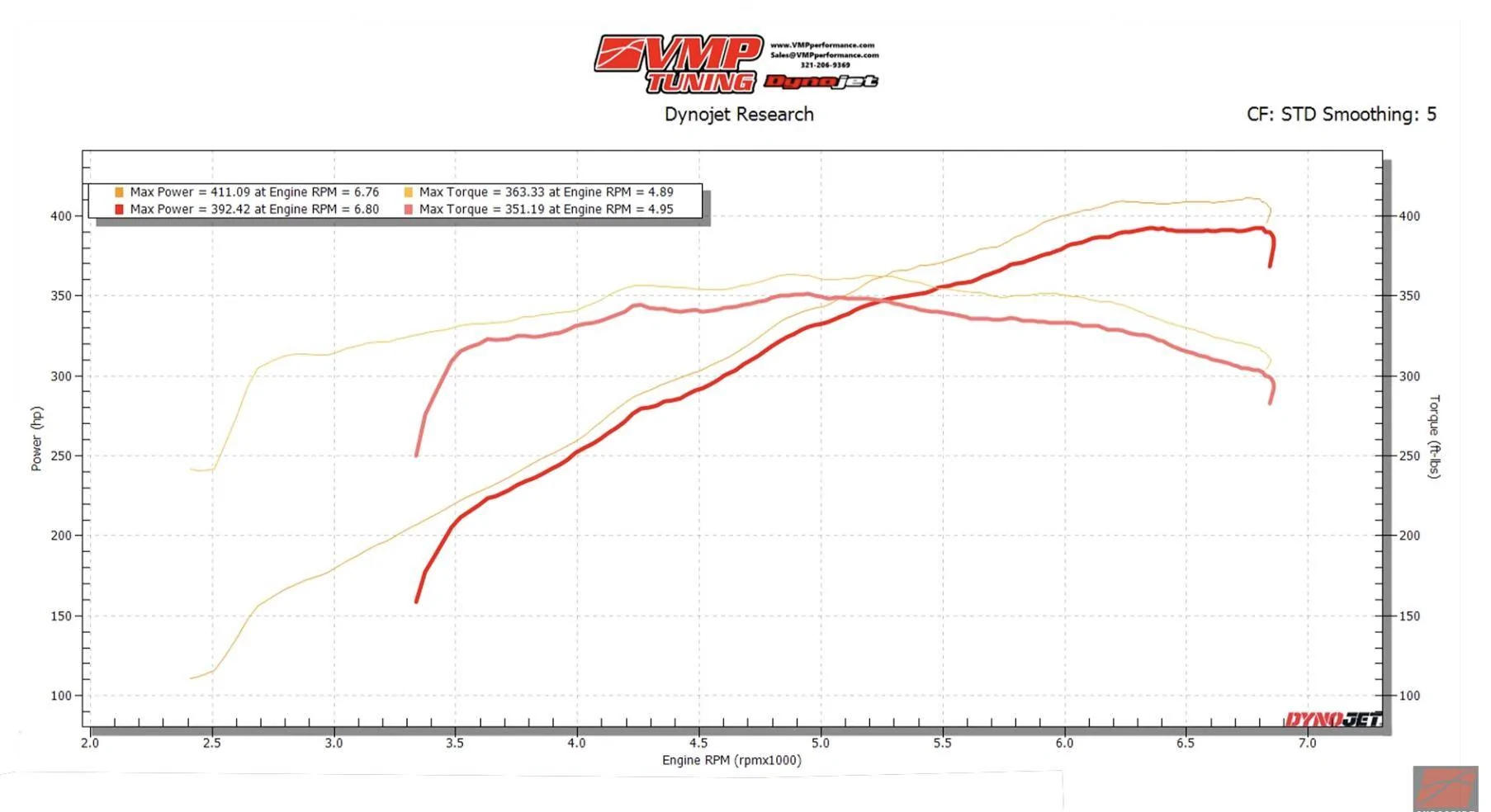
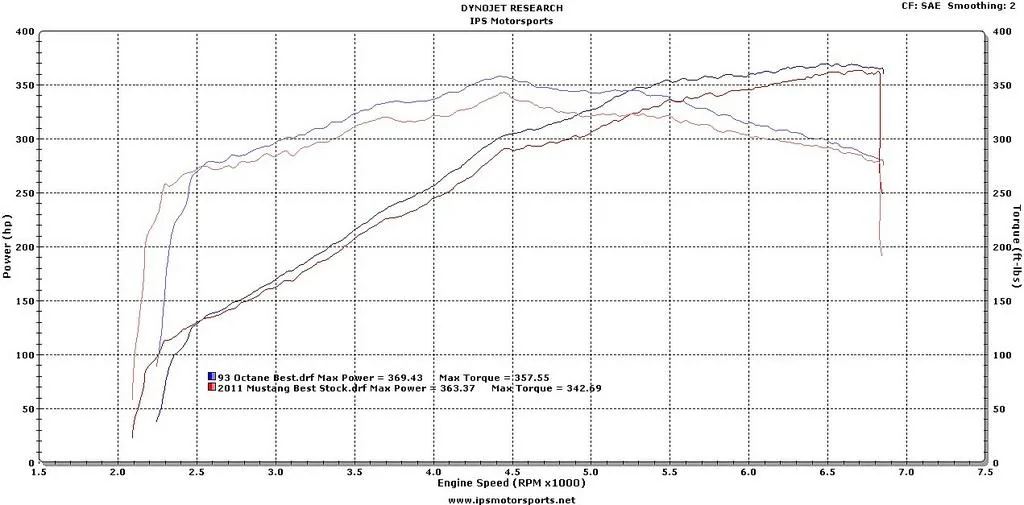
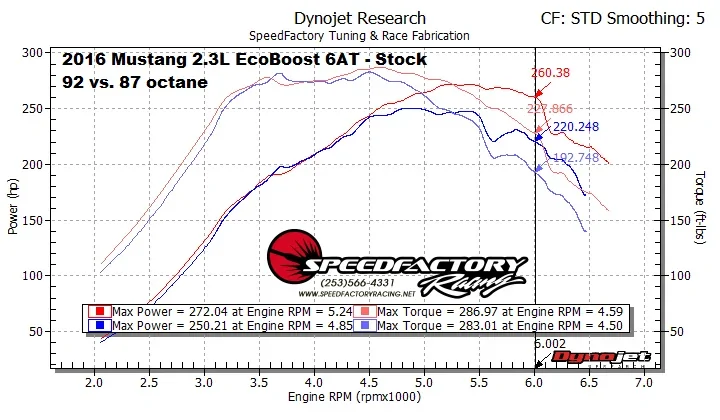
Thank you! This is the definitive post that should be the response to every octane thread on this forum.Octane rating is not a rating of power, it is a numerical expression of a gasoline's resistance to pre-detonation, or "pinging"
As you get higher cylinder pressures lower octane fuels will light off before the spark starts the burn, and that does really bad things to rods, bearings and even crankshafts.
Knock sensors will tell the ECU to pull timing out of the curve to reduce cylinder pressures and temperatures when you drive in such a way that causes pinging.
You are not getting any additional power because out of the fuel if you burn 93, what you are getting is the computer being allowed to add the maximum amount of timing the tune will allow, and that equates to torque and HP
A gallon of 87 octane gas has (within experimental error) the same amount of energy, measured in British Thermal Units (BTU's) as a higher octane fuel
Even if you fed it a steady diet of 100 0ctane fuel, the computer is limited by the tune as to how much timing and fuel it can provide.
This is a function of a lot of things, but the biggest one, besides keeping the rotating assembly from self destructing is complying with EPA EU and other government entities emissions limits. Letting the timing advance even if you had the fuel to resist pinging increases NOx emissions.
What are the real world effects of what gas you put in your car?
You really want to use a "Tier 1" or "Top Tier" gasoline that has an additive package that keeps the intake valves clean. You'll loose more HP from crudded up valves than lower octane fuel IMHO. Running a bottle of Techron in the gas a couple of times a year doesn't hurt either.
Sponsored