Skye
Well-Known Member
The S650 will have several receivers, for different technologies and features.
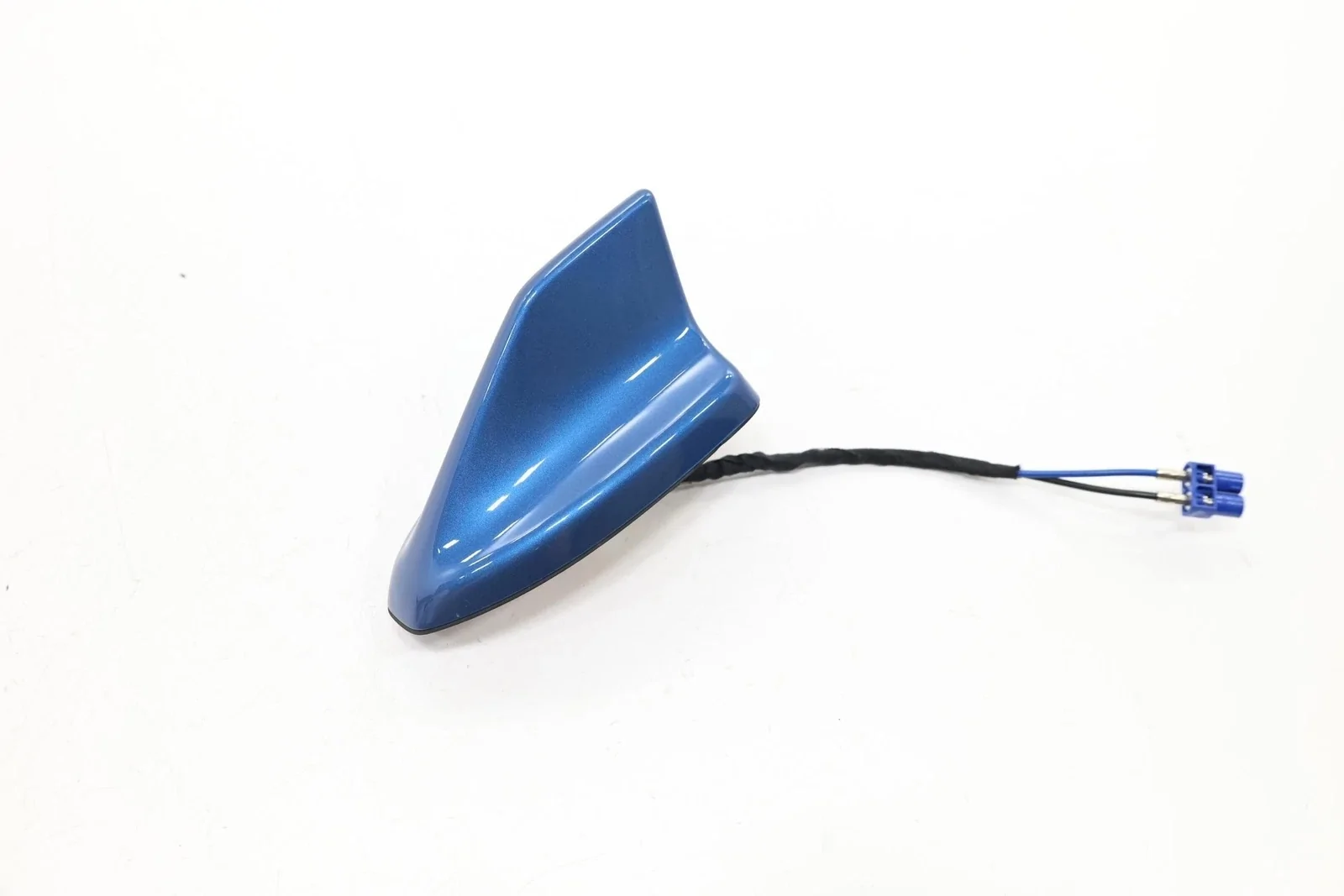
The shark fin antenna on the roof or rear quarter is the GPS antenna; primarily used for maps and navigation.
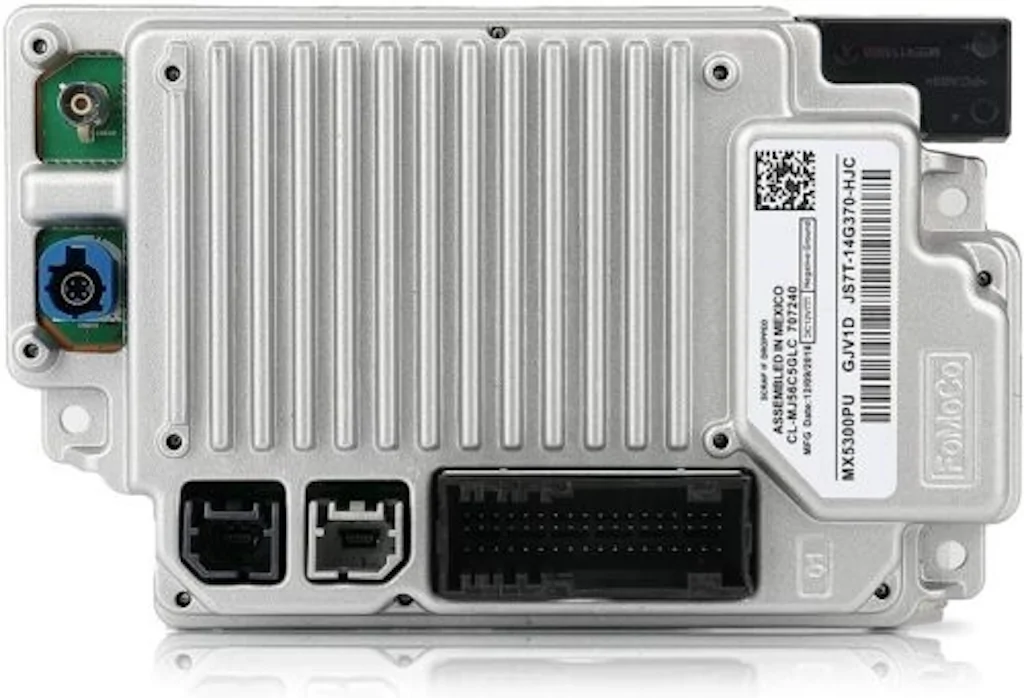
Inside the dash or integrated with the screens should be an Accessory Protocol Interface Module (APIM). The APIM has three receivers: satellite/GPS, bluetooth (802.15) and wireless (802.11).
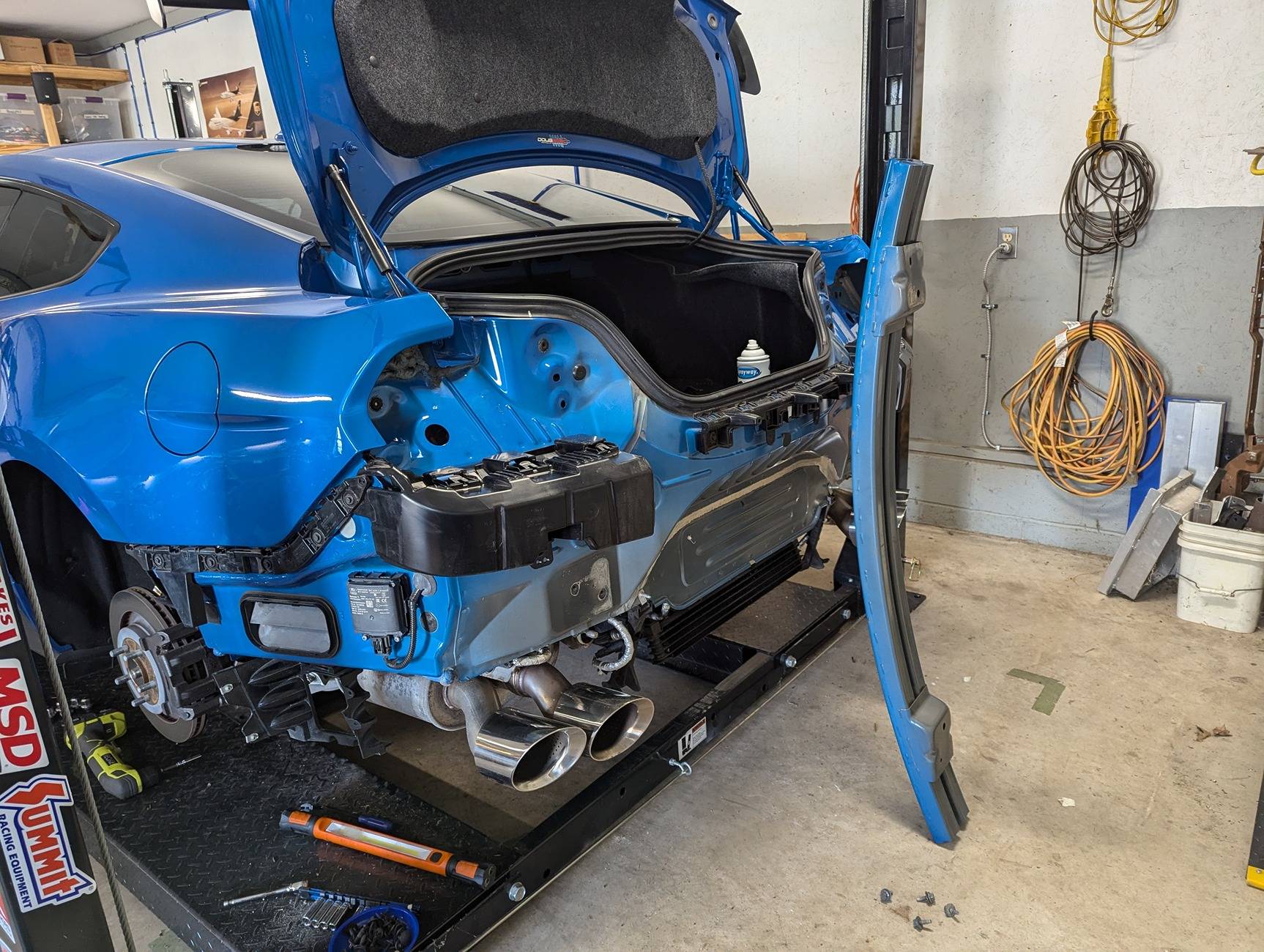
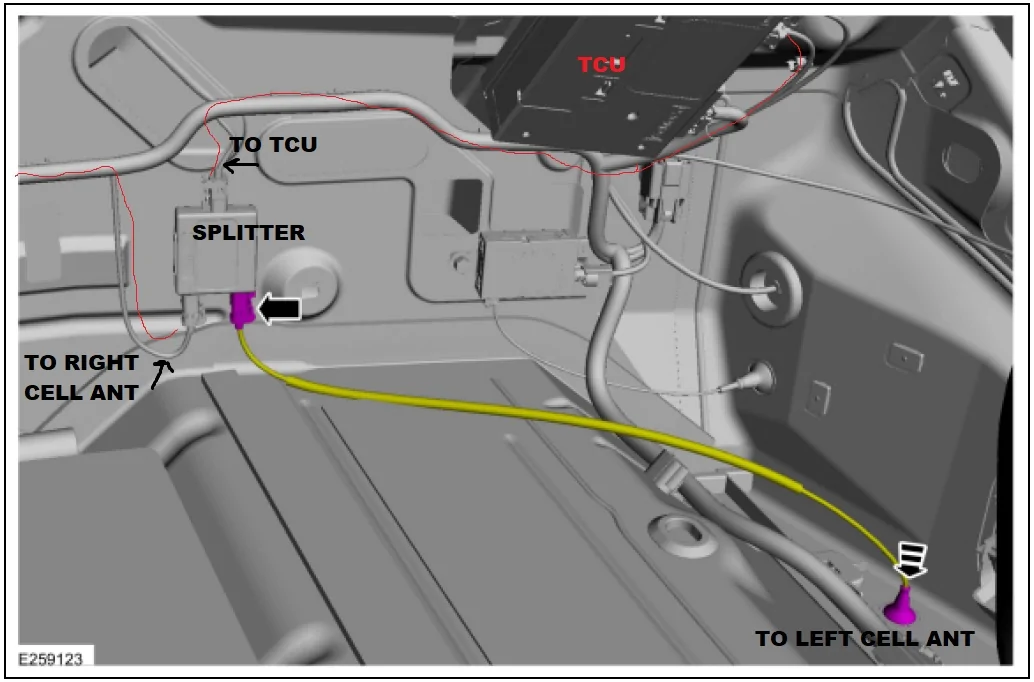
In the rear of the car, on the corners, are cellular receivers, one on each corner.
For OTA updates, they should be received via the cellular antennas, for a few reasons:
- Range. 802.11 and 802.15 are range-limited. You can imagine if you were receiving OTA updates via your home system, then started the car and left
- Reliability. Bluetooth and wireless are not as robust as cellular. It's easier to disrupt or interfere with the signal
- End User. Allowing OTA updates to occur over anything other than cellular would rely on the end customer to establish and maintain the connection
Regarding the underlying tech (5G vs. 4G vs. 3G), most tech and telcom equipment, while it can run for years and years, has a limited shelf life. The people who make the tech stop making it, sometimes after a very short life cycle. To the vendors, it's not cost-effective. NVIDIA's customers (the service providers) don't want last month's chip; they want this month's chip. To the service providers, there are issues in keeping spares, training, physical equipment footprint (new is often smaller) and energy requirements (new is often doing more, for less).
As far as continuing to get updates, Ford will eventually stop updating the S650 software; they won't have a need to go further. Ford will be looking at the next generation of Mustang and its interfaces. Customers with the S550 could continue with entertainment and maps via the USB or wireless. Ford makes Body Control Module (BCM) and Powertrain Control Module (PCM) updates available at the dealer.
Years from now, some services will stop working, yes; they will be overrun by other devices and apps.
With respect to monitoring and oversight, Telematics is often cited; it's as easy to disable as pulling a fuse or a cable. Other interfaces can often be disabled as desired.
Edit,
Looking to the future, current technology and maintaining the components, I'm not too concerned about that.
- Ford either licenses the tech from someone or owns it outright; it's a revenue stream. Just like we have the reproduction market for vehicles that are decades old now, the tech (BCM, PCM, screens, modules) used today can continue to be reproduced
- There's a healthy spares market for the components and devices. In some examples, millions are in use today that will eventually become spares
- People have already cracked major items like the PCM and are publishing their work for us to study


The shark fin antenna on the roof or rear quarter is the GPS antenna; primarily used for maps and navigation.
Inside the dash or integrated with the screens should be an Accessory Protocol Interface Module (APIM). The APIM has three receivers: satellite/GPS, bluetooth (802.15) and wireless (802.11).
In the rear of the car, on the corners, are cellular receivers, one on each corner.
For OTA updates, they should be received via the cellular antennas, for a few reasons:
- Range. 802.11 and 802.15 are range-limited. You can imagine if you were receiving OTA updates via your home system, then started the car and left
- Reliability. Bluetooth and wireless are not as robust as cellular. It's easier to disrupt or interfere with the signal
- End User. Allowing OTA updates to occur over anything other than cellular would rely on the end customer
to establish and maintain the connection Regarding the underlying tech (5G vs. 4G vs. 3G), most tech and telcom equipment, while it can run for years and years, has a limited shelf life. The people who make the tech stop making it, sometimes after a very short life cycle. To the vendors, it's not cost-effective. NVIDIA's customers (the service providers) don't want last month's chip; they want this month's chip. To the service providers, there are issues in keeping spares, training, physical equipment footprint (new is often smaller) and energy requirements (new is often doing more, for less).
As far as continuing to get updates, Ford will eventually stop updating the S650 software; they won't have a need to go further. Ford will be looking at the next generation of Mustang and its interfaces. Customers with the S550 could continue with entertainment and maps via the USB or wireless. Ford makes Body Control Module (BCM) and Powertrain Control Module (PCM) updates available at the dealer.
Years from now, some services will stop working, yes; they will be overrun by other devices and apps.
With respect to monitoring and oversight, Telematics is often cited; it's as easy to disable as pulling a fuse or a cable. Other interfaces can often be disabled as desired.
Edit,
Looking to the future, current technology and maintaining the components, I'm not too concerned about that.
- Ford either licenses the tech from someone or owns it outright; it's a revenue stream. Just like we have the reproduction market for vehicles that are decades old now, the tech (BCM, PCM, screens, modules) used today can continue to be reproduced
- There's a healthy spares market for the components and devices. In some examples, millions are in use today that will eventually become spares
- People have already cracked major items like the PCM and are publishing their work for us to study
Sponsored
Last edited: