Sponsored

Ford Performance 5.0 Charger/Maintainer

OP
OP
20ducks

20ducks

Well-Known Member
Joined
Jun 6, 2020
Threads
58
Messages
398
Reaction score
157
Location
Originally South Side Chicago
Vehicle(s)
2024 Mustang GT Premium Convertible Shadow Black
Connected per instructions. Plugged into the wall outlet: Bottom lights indicate "battery, AGM", Top row has 2 lights on. I'll leave it overnight. What should I expect?
 

dusman59

Well-Known Member
Joined
Mar 8, 2023
Threads
11
Messages
865
Reaction score
869
Location
AZ
Vehicle(s)
2011 GT glass top & 2024 GT
When it light green it will be in maintain and battery is charged. All should be in Noco instructions.
 

JDMontana

Member
Joined
Sep 16, 2024
Threads
5
Messages
19
Reaction score
10
Location
Montana
Vehicle(s)
2024 Mustang GT
The tender I received has two ends.

1. A standard 120V wall outlet, to power the tender.

2a. Pig tail cable with two alligator clips. One end attaches to the car. The other, the tender.
2b. Cable with eyed connectors, for screwing down on something.

In the thread I referenced above, I documented how I connected the tail type 2b to the under hood fuse panel, the open connector dangling outside. When needed, the open end of the eyed connector is connected to the tail cable of the tender. The tender is then plugged into a wall outlet. This setup allows me to attach any time, without opening the hood. The tender is outside the car, so I can simply walk by and check status.

How often the tender is used is up to the owner. For people that daily drive or drive their cars every few days, a tender might not be worthwhile. For those that might drive only on the weekends, or have winter storage, the tender is definitely worthwhile.

The tender is designed to be connected and not disconnected again until the owner is going to drive the vehicle. There's no need to disconnect it when the battery is fully ready. The tender senses when the battery is peaked and backs off. This is a distinction between a tender/maintainer and a charger. A charger is constantly charing a battery. A tender charges and conditions when it senses that function is necessary.

The connection to the fuse panel with a dongle is the way to go. Plug it in and walk away. It could be installed by any individual or speed shop. It's two connections, tied down in the appropriate places.

https://www.google.com/search?q=mus...HTA-PEoQrQIoAnoECBkQAw&biw=1462&bih=739&dpr=2

Edit,

The Ford tender is a good product. As others have mentioned, it's made by Ctek, for Ford.

Ctek has their own line. Well-respected.

Battery Tender is another popular brand.
I use tenders on all my vehicles, the mustang drains the battery just sitting there pretty fast. I've just connected the tender to the battery terminals directly. I plug it in periodically as I don't drive far enough daily to charge. In the winter it gets plugged in every week or 2. Is there a reason not to connect to battery directly???
 

Skye

Well-Known Member
Joined
Jul 29, 2022
Threads
0
Messages
1,683
Reaction score
2,599
Location
≈39N
Vehicle(s)
"Skye" Mach1 N2144
Is there a reason not to connect to battery directly???
Doing so can interfere with Ford's Battery Management System (BMS).

Within the first page of this thread, post #9, is a document. There are two sections: 1) "BMS" and 2) "Charging Strategy"; these help explain how BMS works and how tying down to the battery directly can interfere with it.

When directly connecting to both the (+) and (-) battery terminals with another source of power, the car is often unable to properly interpret the state of the battery and the charging system. Short-term, a one-off, is not necessarily an issue. Long-term, it can become one.

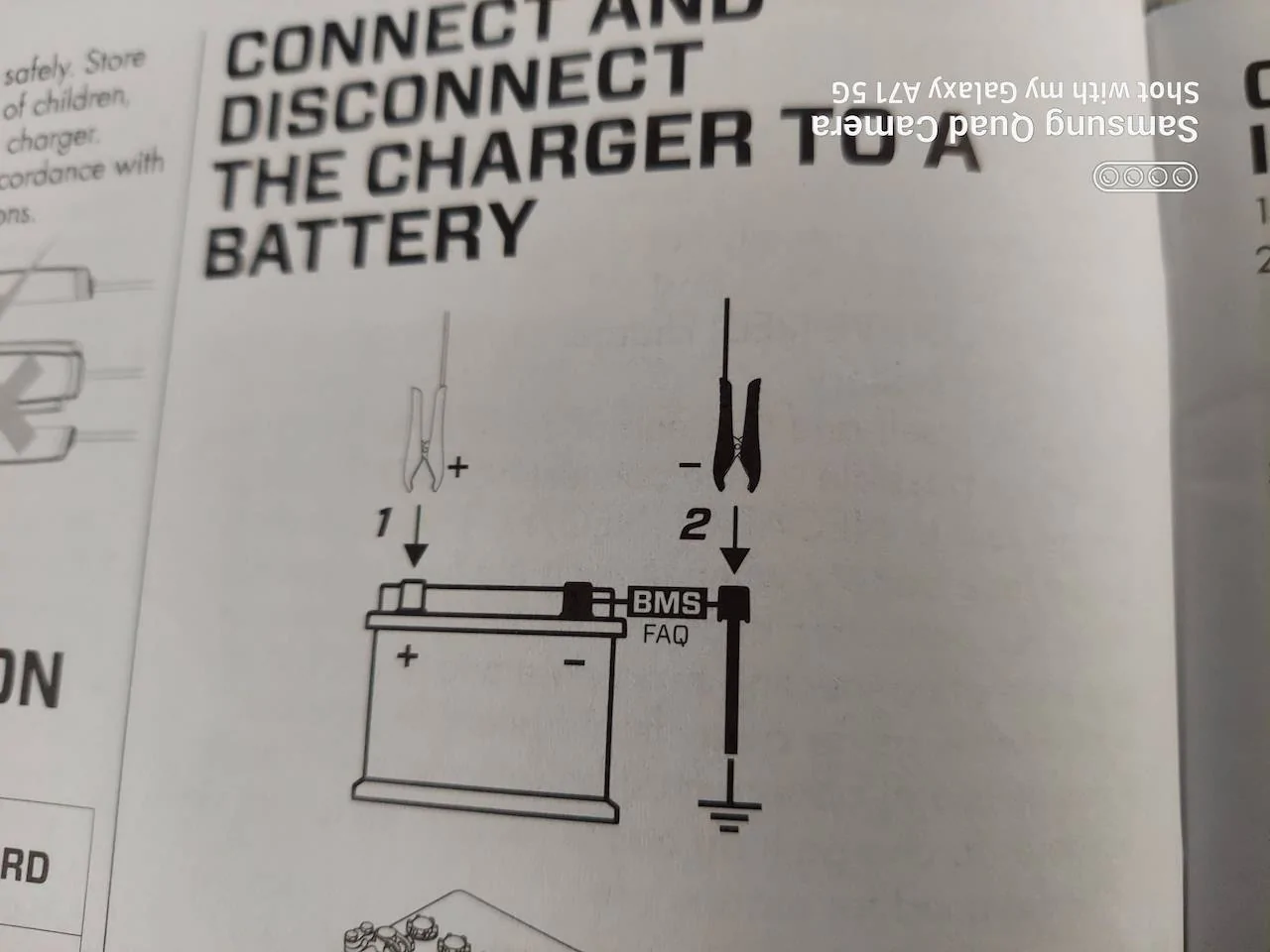
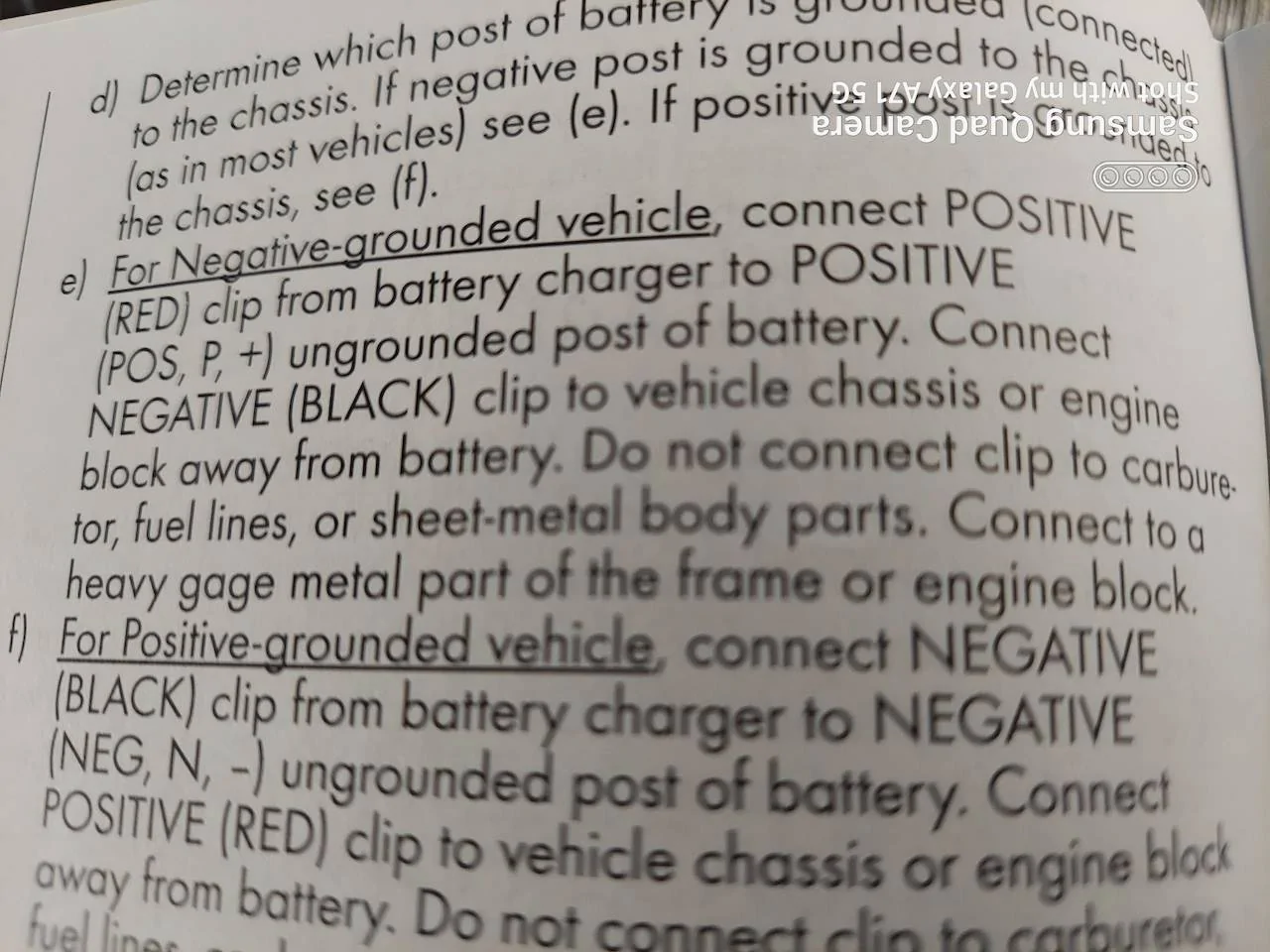
Attached to this post is a logical diagram and part of the instructions to install mine, on an S550.

In my setup, I connected the red lead of the tender to a specific post on the under hood fuse block; this ties directly to the (+) post of the battery. Connecting in this way IMO more pleasing to the eye while also keeping that lead out of the way and safe from other activities.

The (-) lead of the tender goes directly to the chassis; as the electrons make their way back to the battery, this connection allows the BMS Hall Effect sensor to see and account for them. Tying directly to the battery and seeing an additional source of power from that direction, the Body Control Module (BCM) could believe the battery was actually discharging.

Taking a step back from all that, I've connected tender leads in a manner consistent with jump-starting the car: (+)-to-(+), (-) (donor car)-to-chassis (acceptor). One of the reasons this is done is safety: sparks in the area of the battery could ignite any hydrogen gas exiting the battery case. Another is so the BCM and Powertrain Control Modules can continue to reference the charges and discharges correctly.

For those studying this thread and others, a PSA on tenders...do not buy one off eBay, at a garage sale, or borrow one. You have no idea the condition of the thing, any applicable standards it used, compatibility, etc. Whatever tender to be used, follow the manufacturer's instructions for installation and operation.

S650 Mustang Ford Performance 5.0 Charger/Maintainer battery tender 006


S650 Mustang Ford Performance 5.0 Charger/Maintainer battery tender 005
 
Last edited:


Skye

Well-Known Member
Joined
Jul 29, 2022
Threads
0
Messages
1,683
Reaction score
2,599
Location
≈39N
Vehicle(s)
"Skye" Mach1 N2144
Attached are digital copies of the CTEK 5.0 product sheet and instruction/operator's manual.


Attachments


Top