Alan Applegate
Well-Known Member
- Joined
- Sep 25, 2024
- Threads
- 37
- Messages
- 1,014
- Reaction score
- 967
- Location
- Roswell, NM
- Vehicle(s)
- 2024 Mustang Eco-Boost Premium
I am of the mind, that Ford's (and every other make's) recommended maintenance schedules for high performance vehicles are to blame for most mechanical failures. Adding injury are those engines using wet belt architecture like the 2.7L TT V6 and 1.5L T.
I drive a 2024 Mustang Eco-Boost, one of many turbos I've owned over the years. It doesn't matter which company makes the turbo engine, they all require more frequent oil changes than their respective manuals recommend. This goes for the GTs too, especially so for those sporting Whipples.
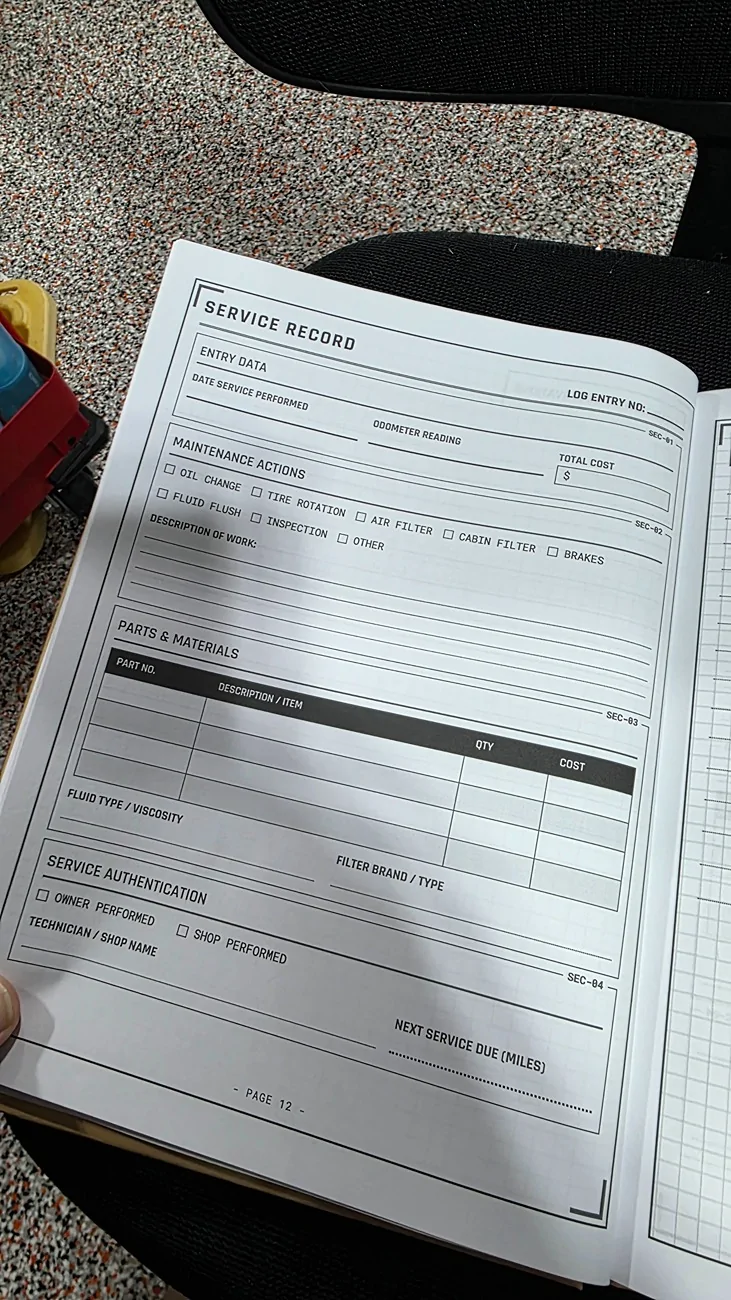
High performance engines, turbo or not, have more piston bypass than those lesser stressed. This fact causes the oils to get more acidic and the results are reflected in the engine failure rates. Supposedly, 'modern oils' keep this from happening? They don't! Personally, I address this issue by changing my oil every 3,000 miles or so, and never go past 4,000 miles even on the highway! Obviously this adds to the cost of owning a HP vehicle, but ask yourself this; What is cheaper? Paying for frequent oil changes, or replacing and paying for an out-of-warranty engine repair?!
I drive a 2024 Mustang Eco-Boost, one of many turbos I've owned over the years. It doesn't matter which company makes the turbo engine, they all require more frequent oil changes than their respective manuals recommend. This goes for the GTs too, especially so for those sporting Whipples.
High performance engines, turbo or not, have more piston bypass than those lesser stressed. This fact causes the oils to get more acidic and the results are reflected in the engine failure rates. Supposedly, 'modern oils' keep this from happening? They don't! Personally, I address this issue by changing my oil every 3,000 miles or so, and never go past 4,000 miles even on the highway! Obviously this adds to the cost of owning a HP vehicle, but ask yourself this; What is cheaper? Paying for frequent oil changes, or replacing and paying for an out-of-warranty engine repair?!
Sponsored