
DFB5.0
Well-Known Member
- Thread starter
- #1
HOW TO CLEAN POLISHING PADS – THE EASY WAY
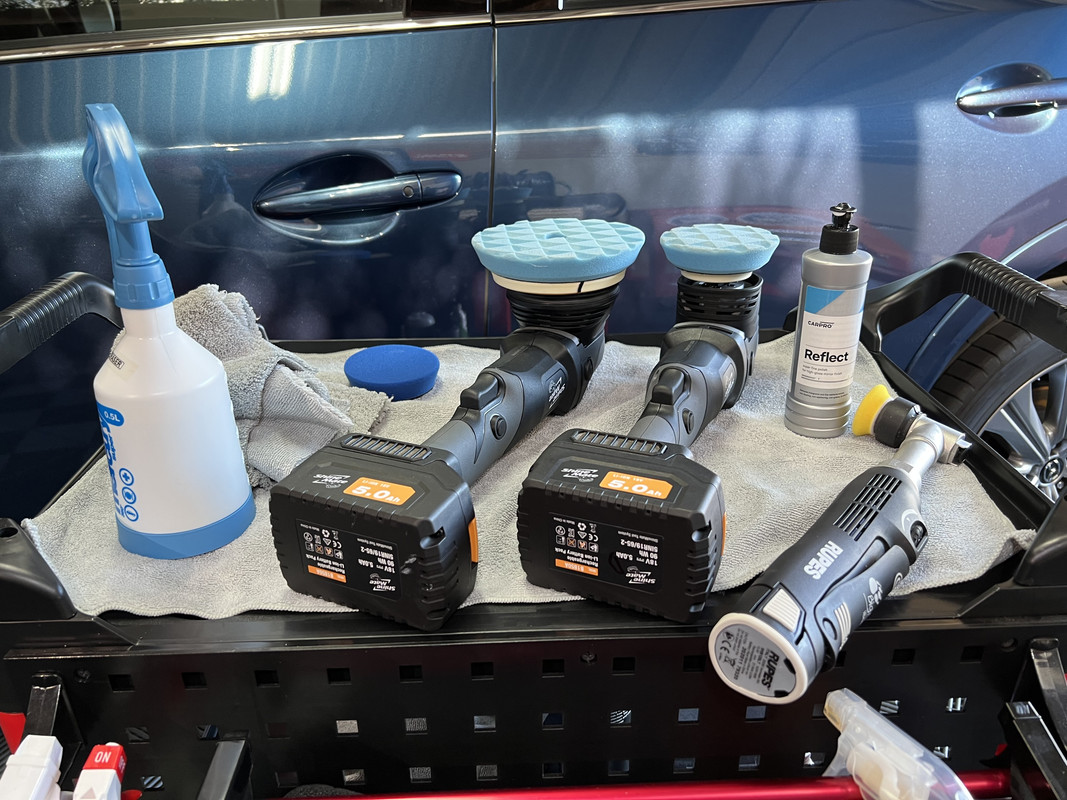
Surely one of the worst parts of polishing, cleaning used pads can be time consuming and messy. Needless to say, it’s not a part of detailing that I look forward to.
How easily a pad releases the polish within the material will depend on the pad material and chemical make-up of the products used. A solvent based compound will naturally take longer to clean than a water-based product, likewise wool and microfiber pads.

PAD CLEANING SYSTEMS -
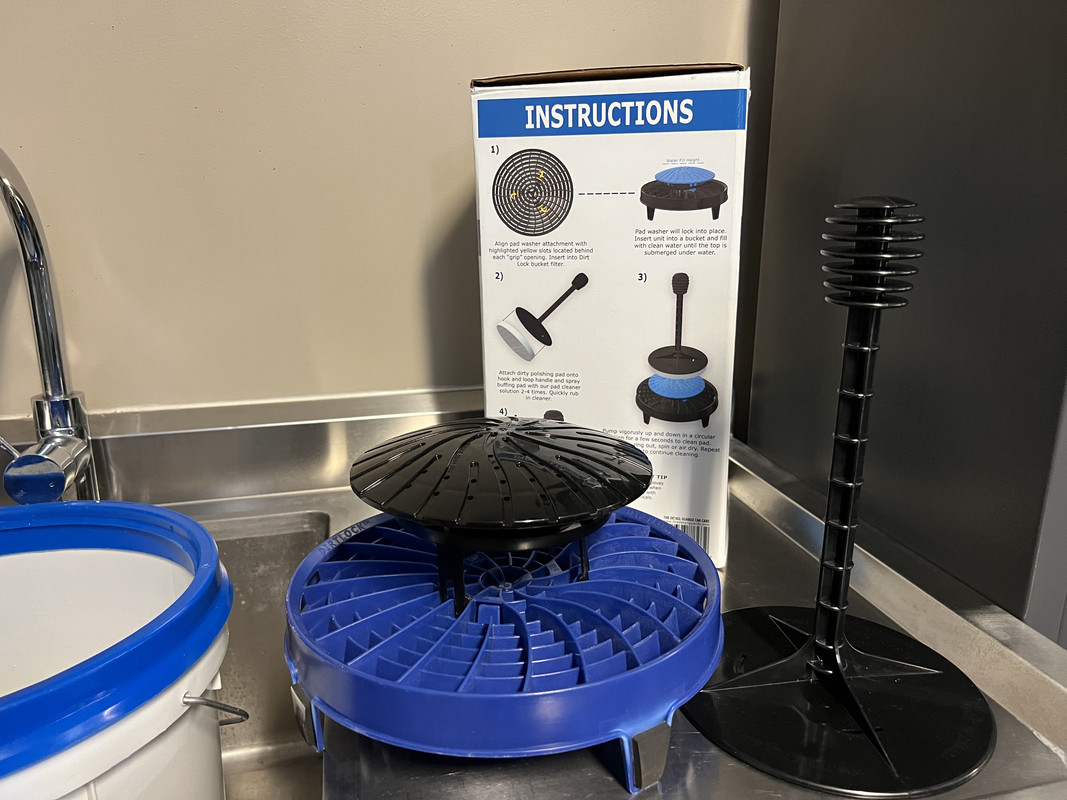
There are many ways to wash pads with varying degrees of effort, time and investment required. Companies like Lake Country and Detail Guardz sell specialised pad washing systems, generally paired with specific cleaning chemicals.
The Lake Country Pad Washer is geared towards high-volume detail shops and probably not worth the $350 for the occasional user. A great setup though.
https://www.waxit.com.au/products/l...sq=pad+washer&_ss=e&_v=1.0&variant=1202289632
The Detail Guardz version retails for about $140, which you pair with an existing bucket. I have one and………………….never use it.
https://detailingshed.com.au/product...m-attachment-1
https://detailingshed.com.au/products/dirt-lock-filter
So, the following is how I wash polishing pads without the assistance of expensive pad washers and tools. This applies to foam, wool and microfiber pads.
WHAT YOU NEED -
- Wash bucket
- All Purpose Cleaner (such as KCx Green Star) or Microfiber Detergent (such as Rags to Riches), or High pH Soap (such as Carpro Lift).
- Access to a washing machine
THE PROCESS -
1. Fill a clean bucket ½ to ¾ full with water. Warm water is nice but not essential.
2. Add a generous amount of APC, or Microfiber Detergent or High pH soap.
3. As you finish with each pad, plunge the pad into the bucket of water/soap solution. Continue working, adding pads as you go.
At this point, I normally leave pads to soak overnight in this bucket. The idea here is to prevent compound from drying in the pads as you work, allowing you to get to them when you have time.
4. Agitate each pad under running water to flush the compound and detergent from the pad by squeezing and releasing until the water runs clear.
5. Place the pads in your washing machine. Ideally, don’t wash microfiber and wool pads with foam, likewise don’t wash foam pads with other towels.
6. Add your microfiber detergent and run your usual machine cycle.
The washing machine really isn’t doing much “washing” at this stage, rather making sure you’ve properly flushed any remaining detergent and compound residue.

7. From the machine, air dry pads indoors.
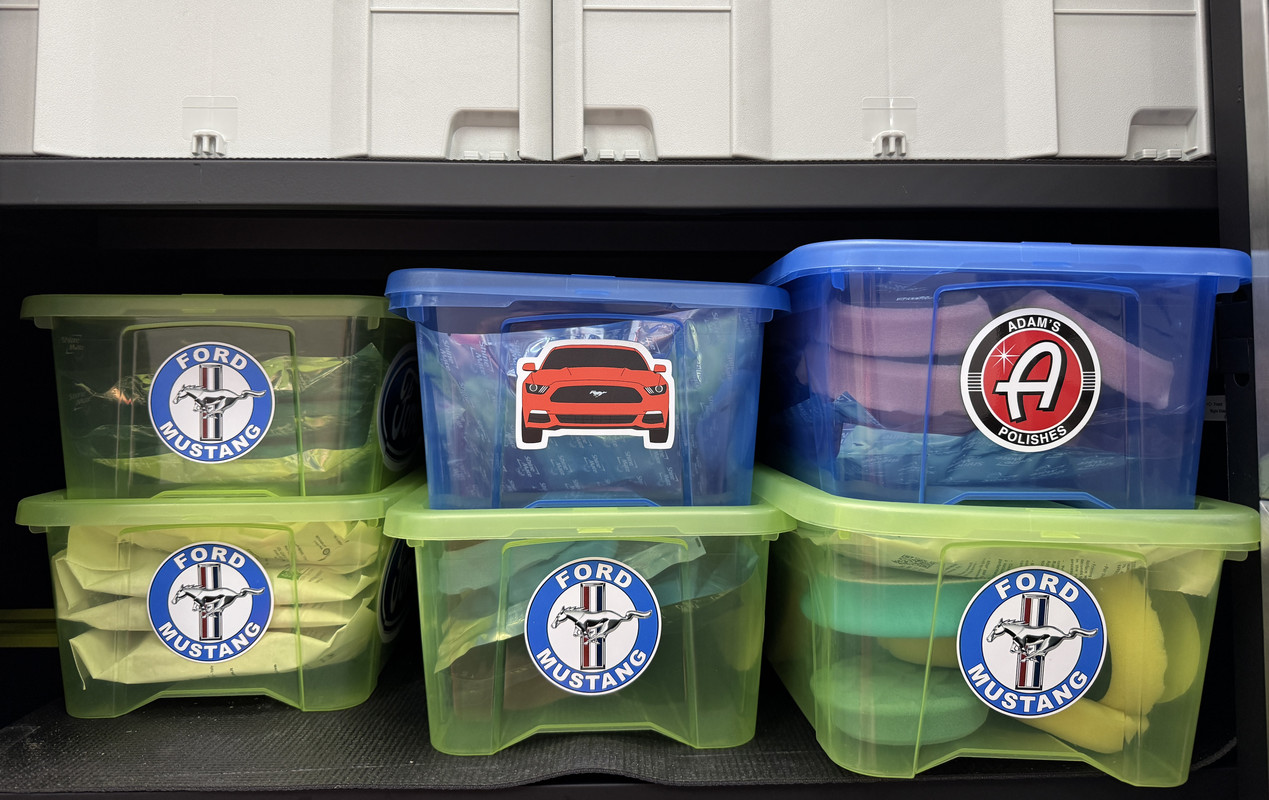
8. Store away your now clean and dry pads. If you store in sealed containers like I do, they must be FULLY dry beforehand to prevent mould.

PADS USED FOR ALL-IN-ONE & PRIMER POLISHES –
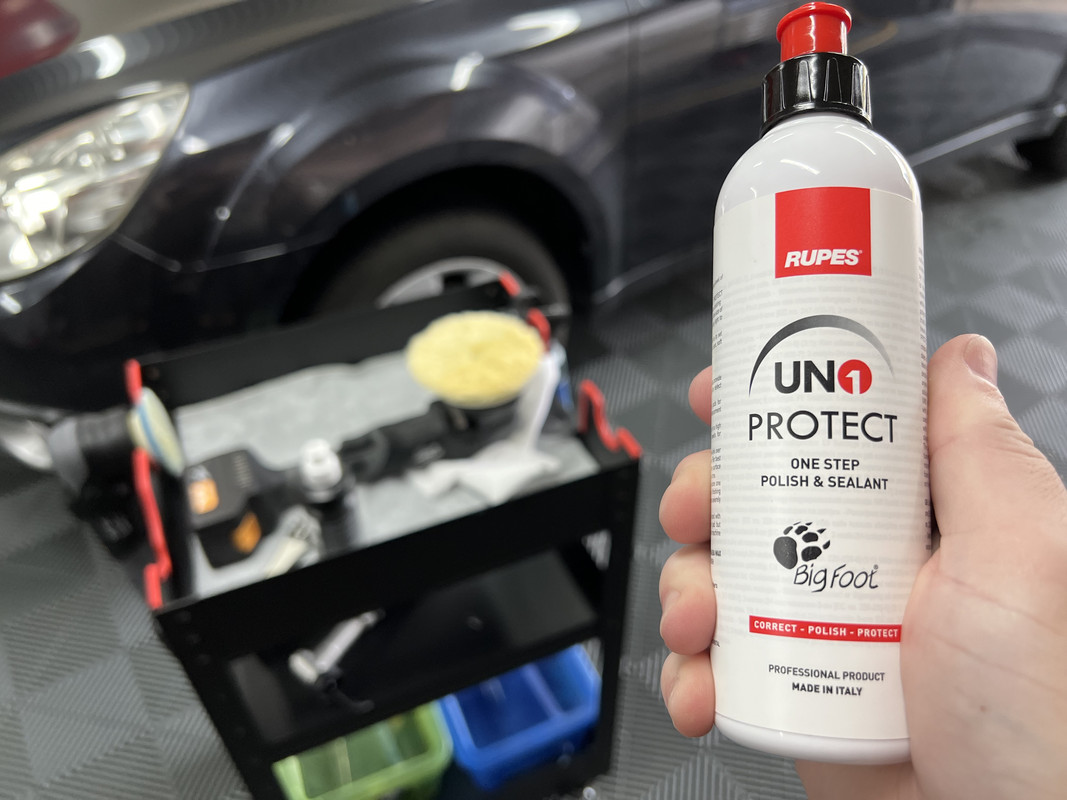
These products would include old-school cleaner waxes, modern primer polishes like Carpro Essence, and polish and protect compounds like Rupes Uno Advanced. DO NOT let these pads dry! As soon as you’ve finished with a pad, plunge it into a bucket of water, ideally with some APC or high-alkaline soap. The goal here is to prevent the sealants from setting up in the pad material. You can then return to these pads after your polishing session. My process above accounts for this.
PADS USED FOR APPLICATION OF WAXES & SEALANTS –
The waxy/oily nature of these protectants means they are highly resistant to water. You have two options here, guess which one I go with…………..
- Wash the pad as best you using APC. You will spend considerable time doing this with multiple chemical and rinsing cycles.
- Throw it away!
I’m sure there are different and probably better ways to clean polishing pads. But for the occasional user who polishes perhaps one or two cars a year, this method requires nothing more than a bucket, running water and some APC.
Surely one of the worst parts of polishing, cleaning used pads can be time consuming and messy. Needless to say, it’s not a part of detailing that I look forward to.
How easily a pad releases the polish within the material will depend on the pad material and chemical make-up of the products used. A solvent based compound will naturally take longer to clean than a water-based product, likewise wool and microfiber pads.
PAD CLEANING SYSTEMS -
There are many ways to wash pads with varying degrees of effort, time and investment required. Companies like Lake Country and Detail Guardz sell specialised pad washing systems, generally paired with specific cleaning chemicals.
The Lake Country Pad Washer is geared towards high-volume detail shops and probably not worth the $350 for the occasional user. A great setup though.
https://www.waxit.com.au/products/l...sq=pad+washer&_ss=e&_v=1.0&variant=1202289632
The Detail Guardz version retails for about $140, which you pair with an existing bucket. I have one and………………….never use it.
https://detailingshed.com.au/product...m-attachment-1
https://detailingshed.com.au/products/dirt-lock-filter
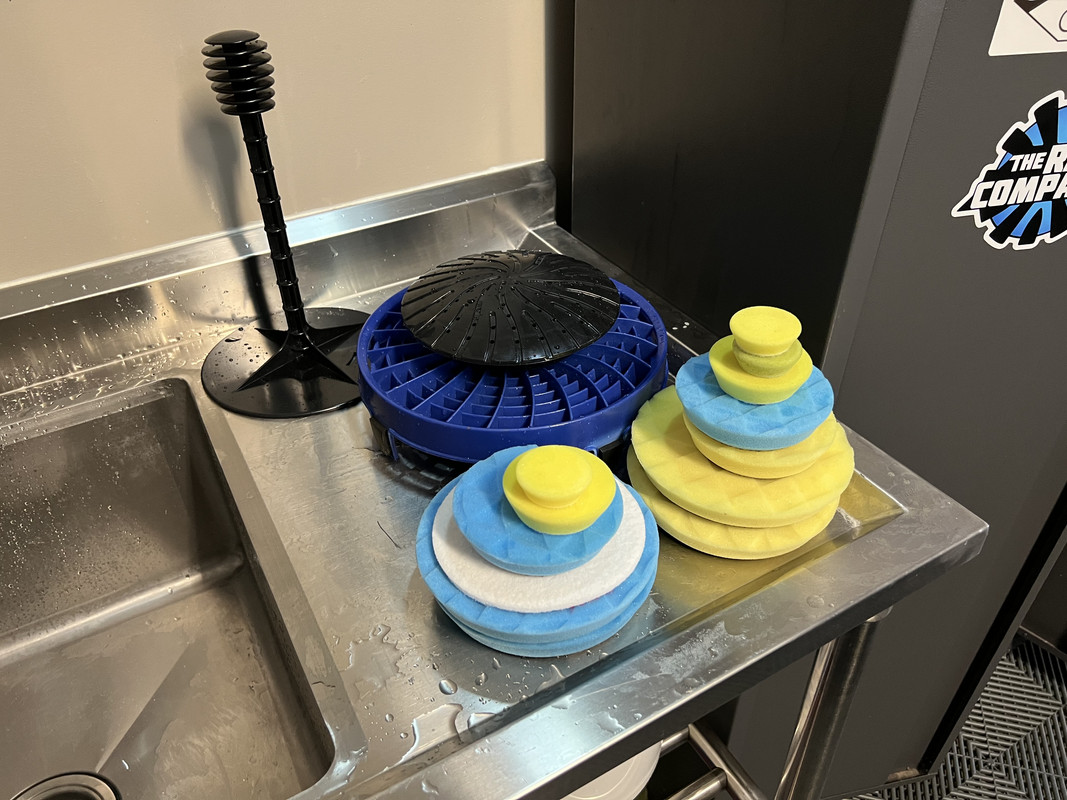
So, the following is how I wash polishing pads without the assistance of expensive pad washers and tools. This applies to foam, wool and microfiber pads.
WHAT YOU NEED -
- Wash bucket
- All Purpose Cleaner (such as KCx Green Star) or Microfiber Detergent (such as Rags to Riches), or High pH Soap (such as Carpro Lift).
- Access to a washing machine
THE PROCESS -
1. Fill a clean bucket ½ to ¾ full with water. Warm water is nice but not essential.
2. Add a generous amount of APC, or Microfiber Detergent or High pH soap.
3. As you finish with each pad, plunge the pad into the bucket of water/soap solution. Continue working, adding pads as you go.
At this point, I normally leave pads to soak overnight in this bucket. The idea here is to prevent compound from drying in the pads as you work, allowing you to get to them when you have time.
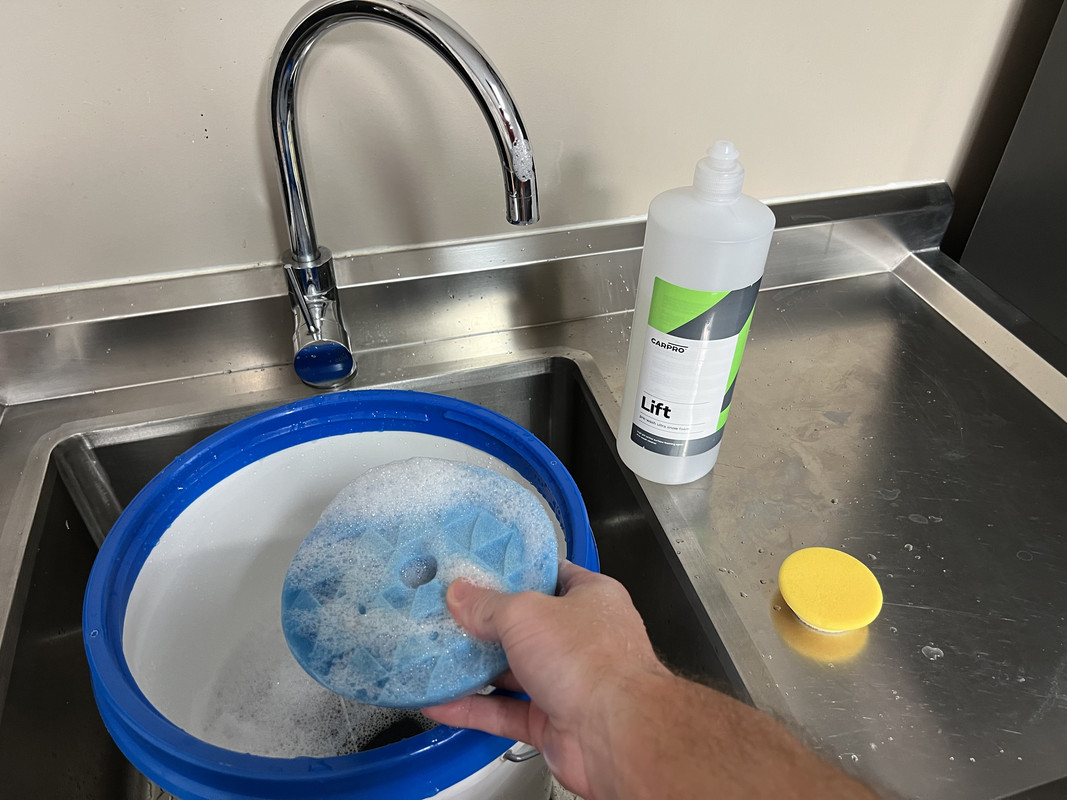
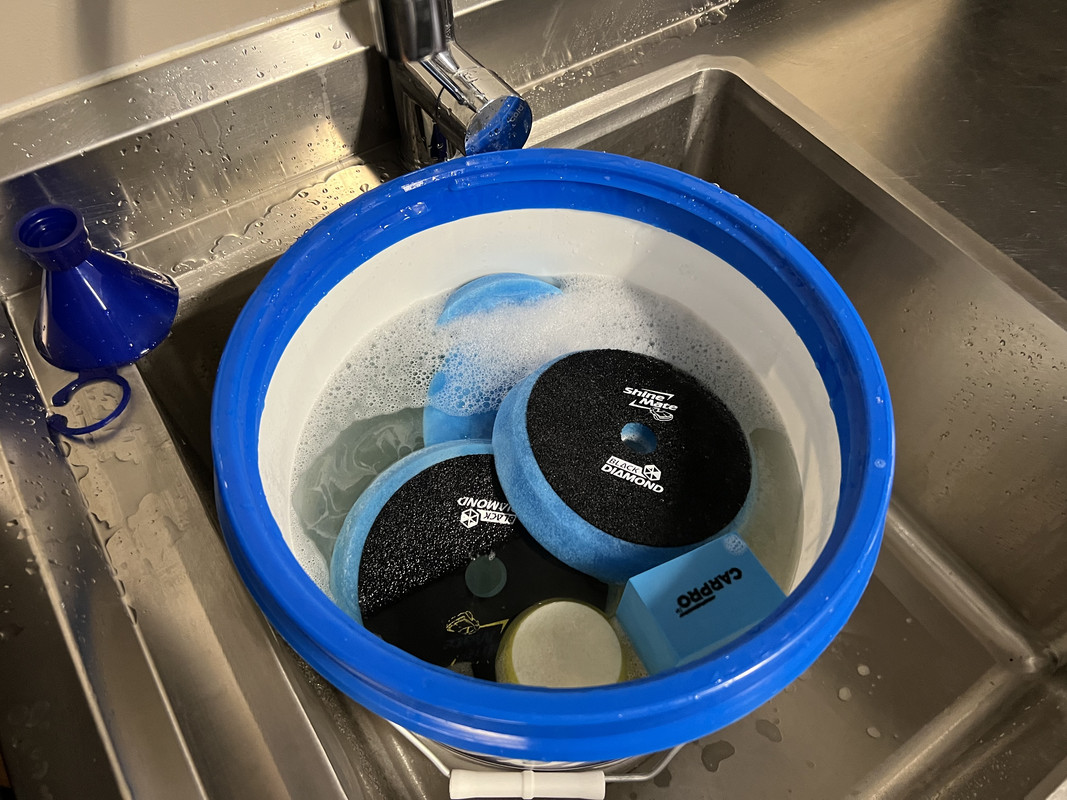
4. Agitate each pad under running water to flush the compound and detergent from the pad by squeezing and releasing until the water runs clear.
5. Place the pads in your washing machine. Ideally, don’t wash microfiber and wool pads with foam, likewise don’t wash foam pads with other towels.
6. Add your microfiber detergent and run your usual machine cycle.
The washing machine really isn’t doing much “washing” at this stage, rather making sure you’ve properly flushed any remaining detergent and compound residue.
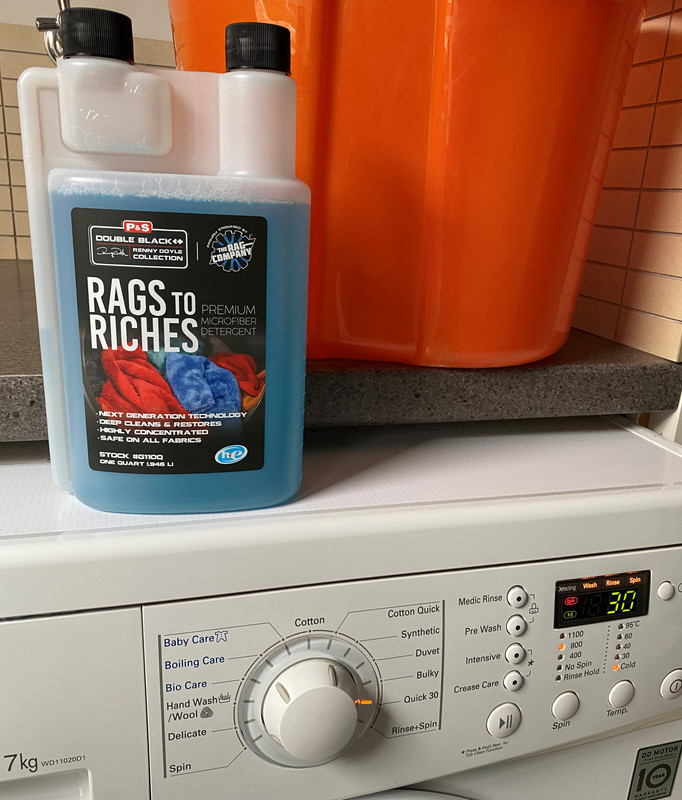
7. From the machine, air dry pads indoors.
8. Store away your now clean and dry pads. If you store in sealed containers like I do, they must be FULLY dry beforehand to prevent mould.
PADS USED FOR ALL-IN-ONE & PRIMER POLISHES –
These products would include old-school cleaner waxes, modern primer polishes like Carpro Essence, and polish and protect compounds like Rupes Uno Advanced. DO NOT let these pads dry! As soon as you’ve finished with a pad, plunge it into a bucket of water, ideally with some APC or high-alkaline soap. The goal here is to prevent the sealants from setting up in the pad material. You can then return to these pads after your polishing session. My process above accounts for this.
PADS USED FOR APPLICATION OF WAXES & SEALANTS –
The waxy/oily nature of these protectants means they are highly resistant to water. You have two options here, guess which one I go with…………..
- Wash the pad as best you using APC. You will spend considerable time doing this with multiple chemical and rinsing cycles.
- Throw it away!
I’m sure there are different and probably better ways to clean polishing pads. But for the occasional user who polishes perhaps one or two cars a year, this method requires nothing more than a bucket, running water and some APC.
Sponsored